Blog
By Heather Noe, Anchor Birth-to-Three Specialist
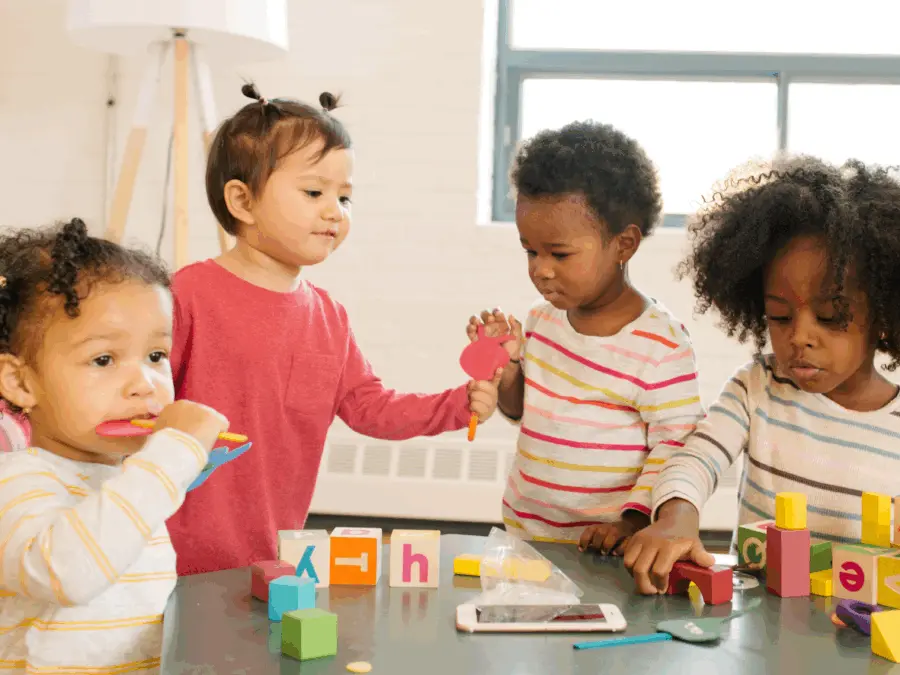
As an early childhood educator, how many times have you witnessed toddlers squabbling over toys and other materials? You may not be able to quantify the number of times, so let’s just say, A LOT! I’m sure that you have heard some version of The Toddler’s Creed: “If I want it, it’s MINE. If I can take it away from you, it’s MINE. If I had it before, it’s MINE”. Young children in the toddler stage (ages 12 months to 3 years) are just beginning to discover their independence and their understanding that the people around them are different from themselves. Interacting with other children in a socially appropriate manner takes time and guidance from the adults in the toddler’s life. Read on to discover why sharing is a complex idea for our inexperienced humans.
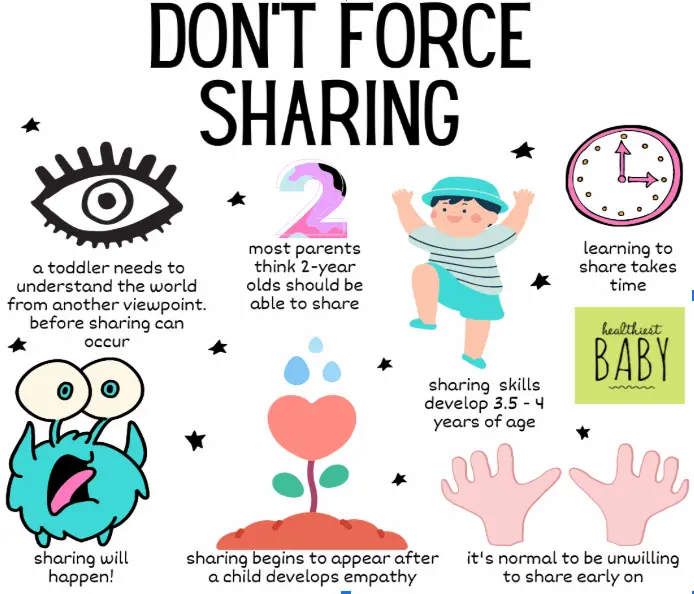
- According to Mildred Parten’s research of the Stages of Play, the first three stages are labeled as non-social (unoccupied, solitary, and onlooker). Children move through these stages from age birth to two years. The last three stages are categorized as social play (parallel, associative, and cooperative). Children do not reach the skills needed for true sharing until three to four years of age.
- Toddlers do not have a concept of time. It is very difficult to give up a toy when you can’t understand when you may get to play with it again. Requiring a child with no sense of time to share (forced sharing) will most likely result in a tantrum or meltdown.
- Impulse control is simply not in a toddler’s vocabulary. They have not yet acquired the patience and self-control needed to stop them from acting. They are very self-centered and have little awareness of the feelings of other children. In group care environments, this can be challenging because they see toys and materials as theirs and they want to play with what they want when they want it.
So, what can we do in group care environments to keep the peace and set a foundation for volunteer or willful sharing?
- Offer lots of descriptive language. Explain to children what has happened and what is happening using very simple words. Make sure to include feeling words like sad, excited, angry, and patient.
- Have plenty of toys and materials accessible to young children, especially duplicates of favorites. This will reduce friction and give plenty of opportunities for engagement. Busy minds are less likely to lead to aggressive behaviors.
- Interact frequently in children’s play and model sharing behaviors. Describe positive experiences of children taking turns and show praise and recognition to children who share on their own. Use phrases such as, “I see that you are done playing with the ball. Can you find Amy and give it to her? She has been waiting.” OR “Thank you, Alya. That was so kind of you to let him have a turn with the ball.”
Learning how to share with others is a very challenging concept for egocentric young humans to master. They need guidance and support from adults who recognize that hardship and do not punish for natural behaviors. It is our job to support them in their awareness of others and show respect for another child’s feelings and belongings.
According to Positive Parenting Solutions (Positive Parenting Solutions, n.d.), the earlier kids learn generosity through willful sharing, the more it becomes part of their permanent character. They will tend towards compassion and gratitude for the rest of their lives. And the sooner kids are required to practice patience, the more they’ll withstand future setbacks.
Here are some great articles for further reading:
- It’s OK Not To Share
- Teaching Kids to Share (note: this is written for parents, but the advice can also be applied to early childhood educators)
Reference:
Positive Parenting Solutions. (n.d.). It’s OK Not to Share. positiveparentingsolutions.com/parenting/its-ok-not-to-share