Blog
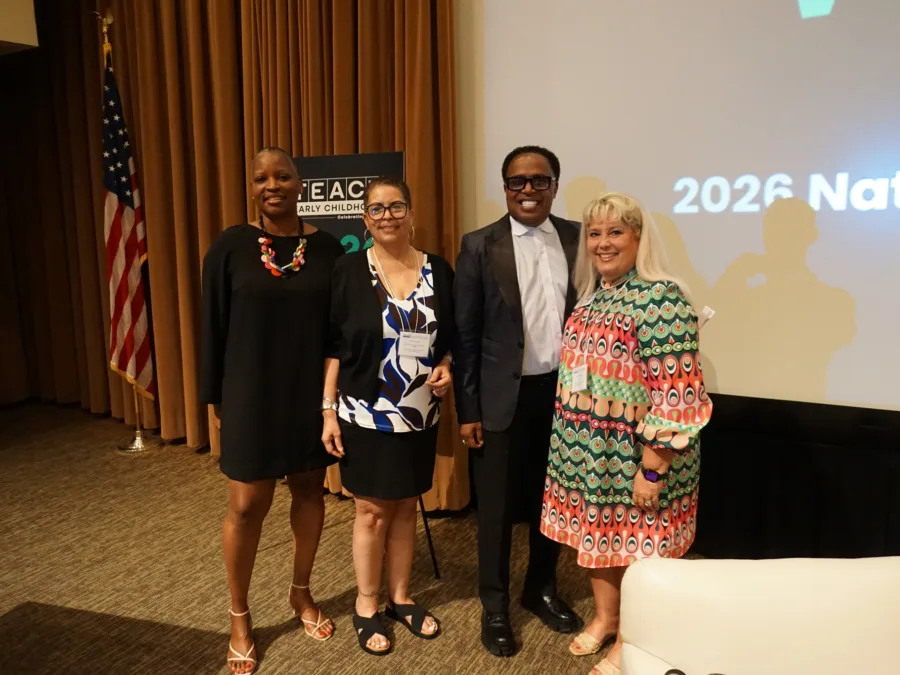
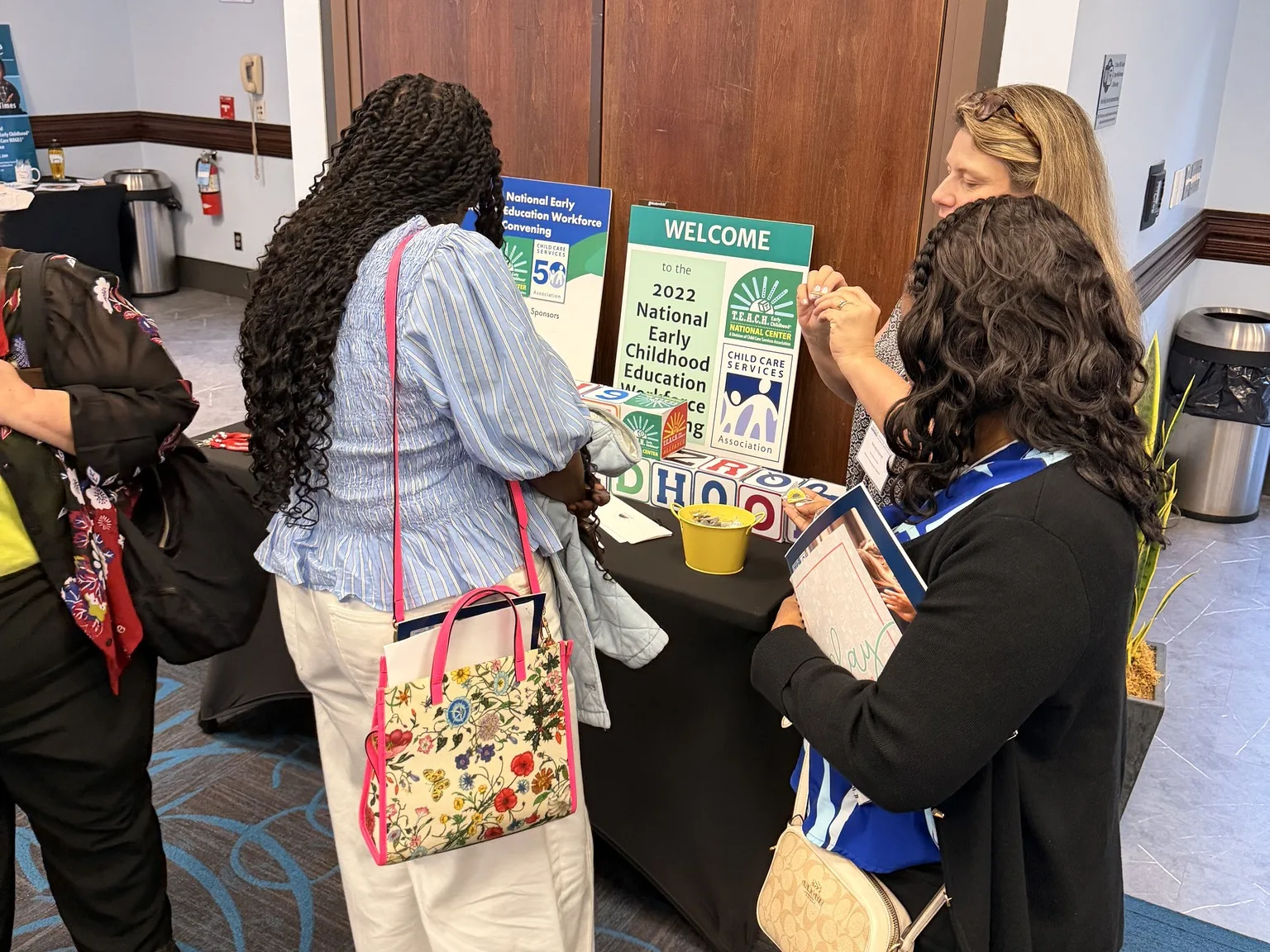
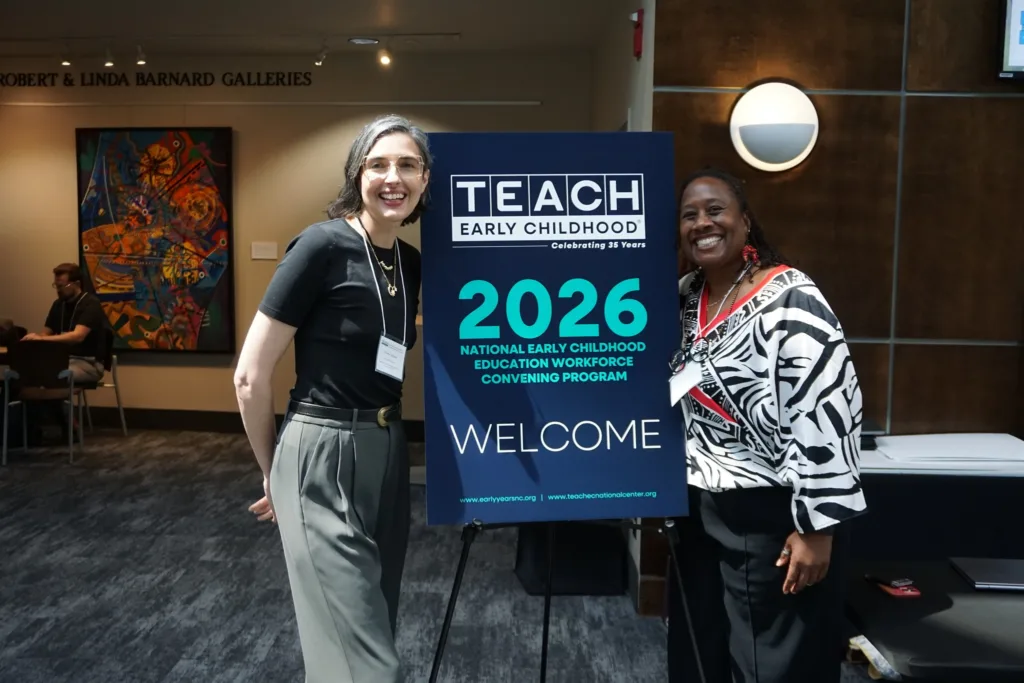
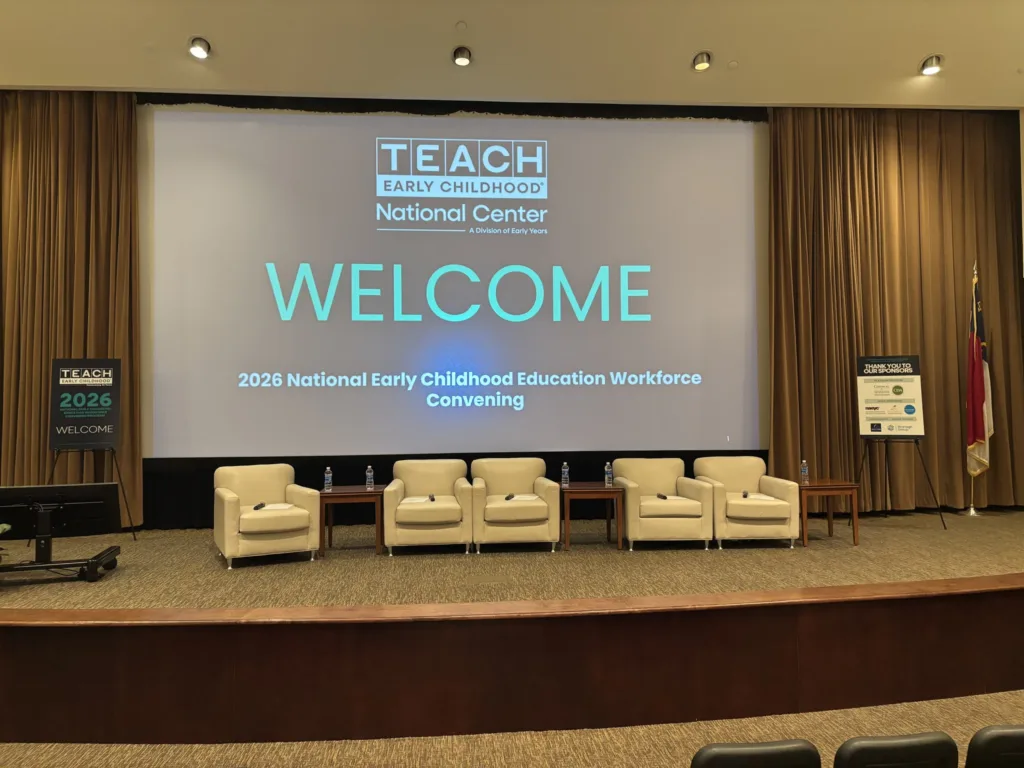
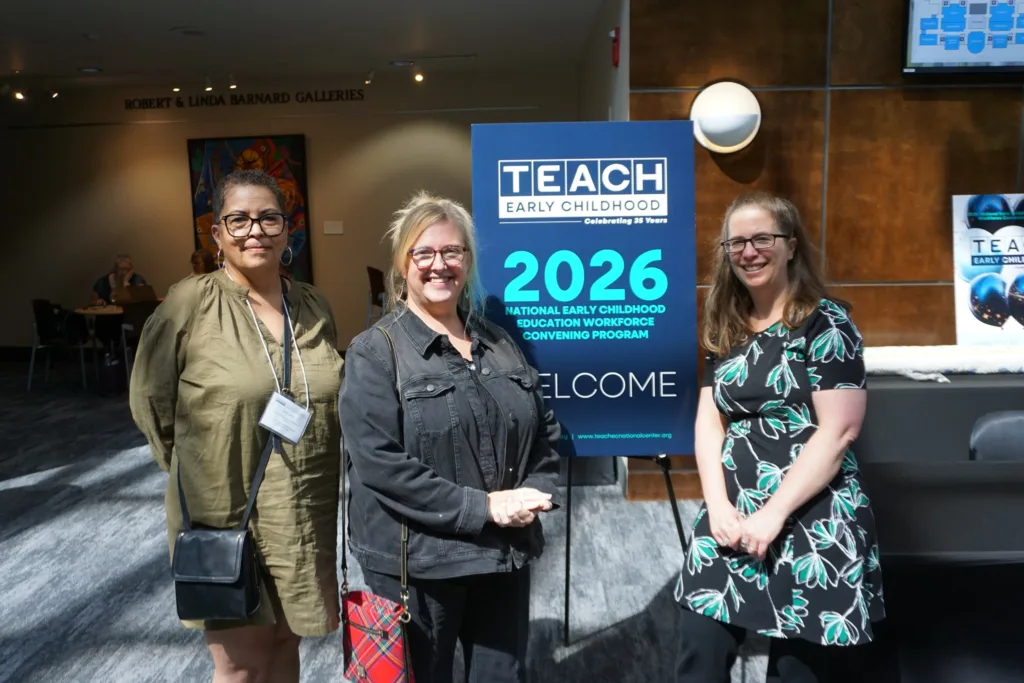
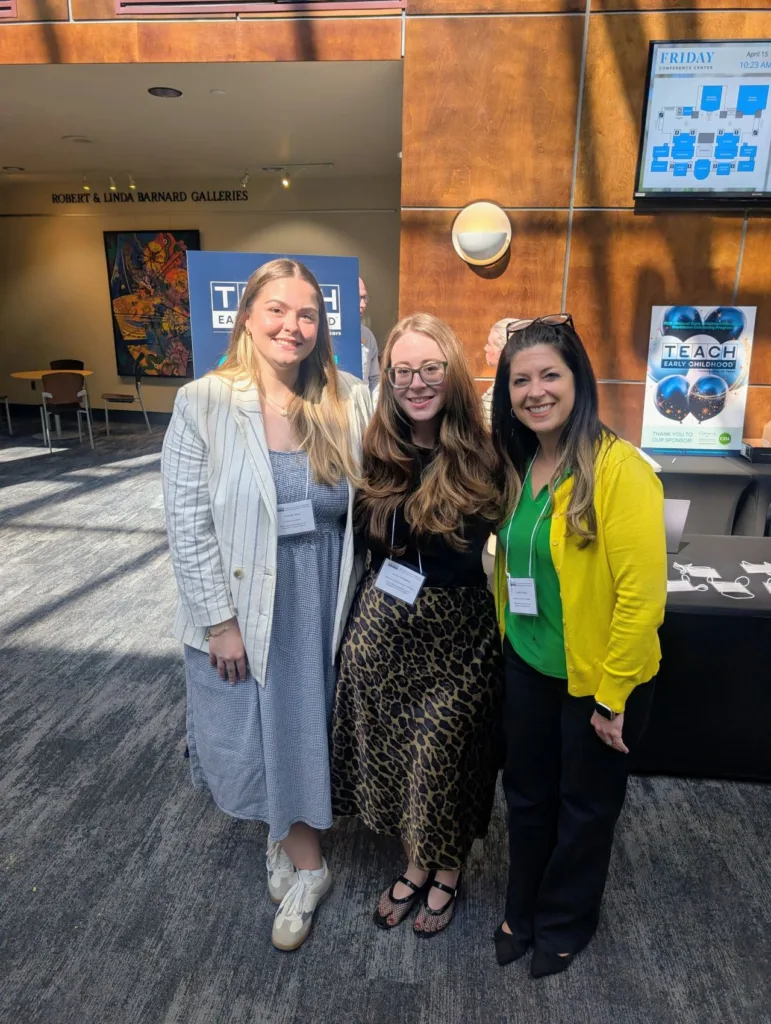
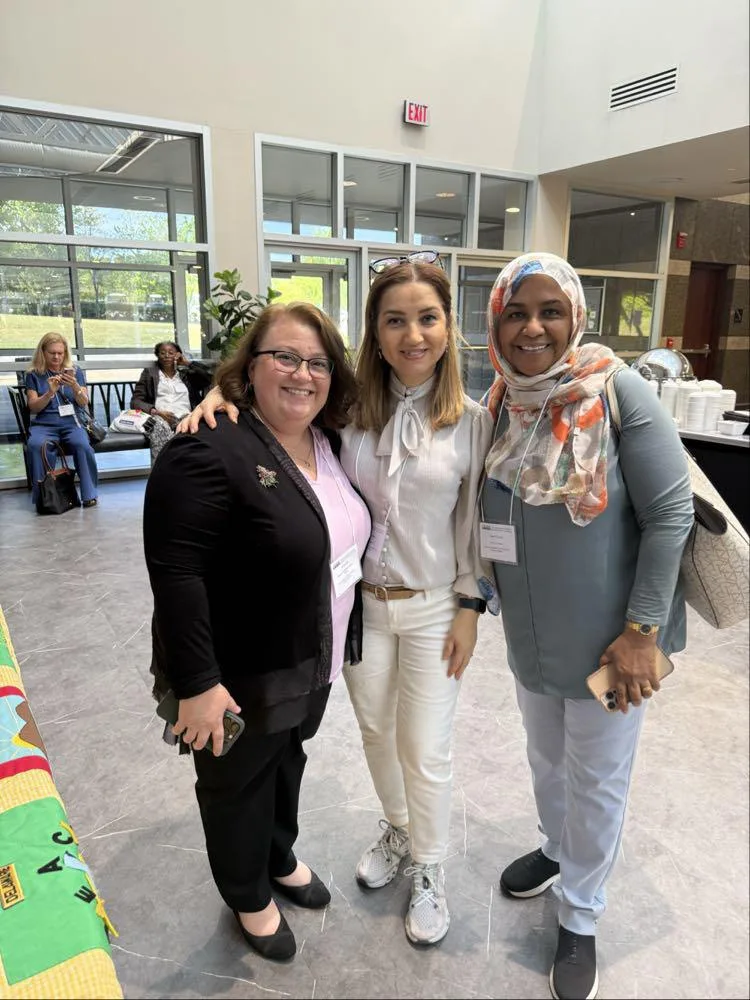
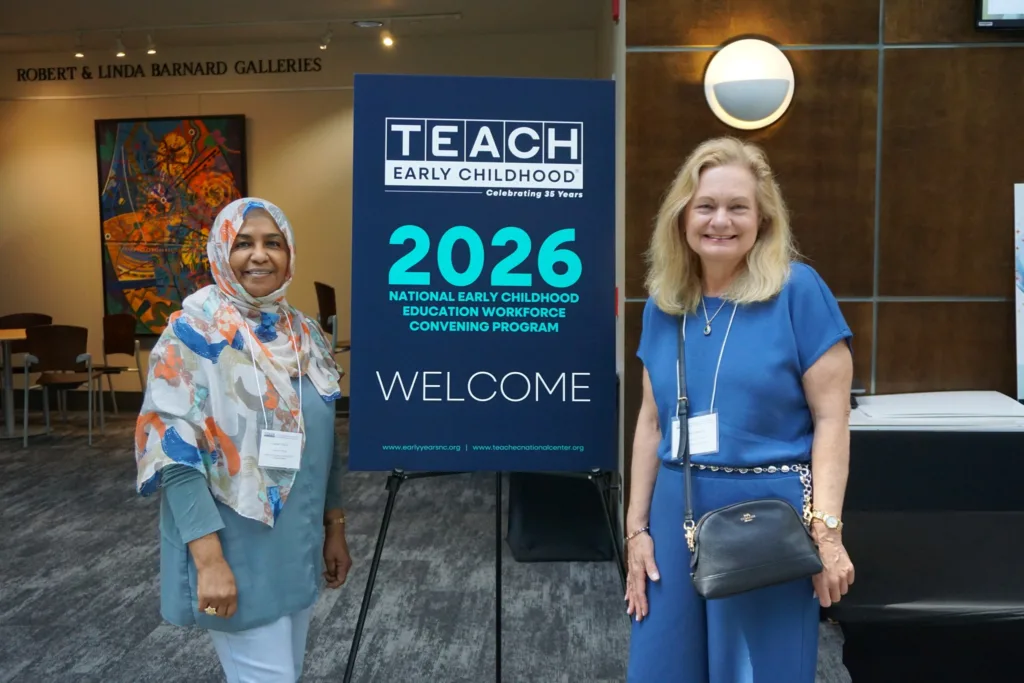
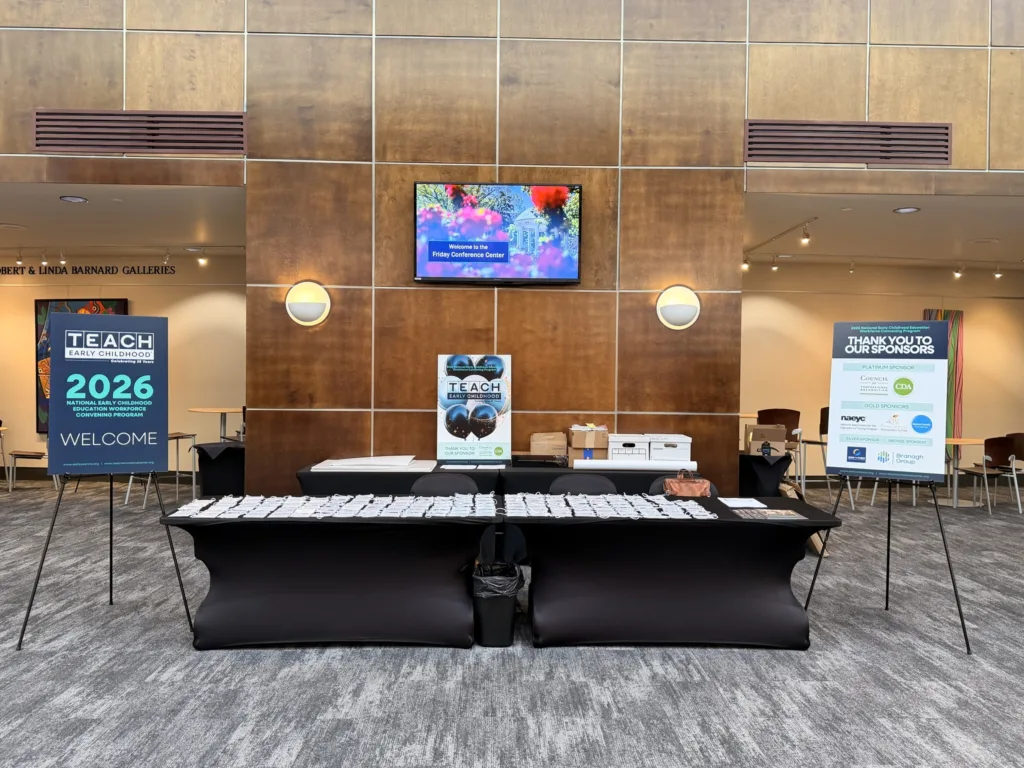
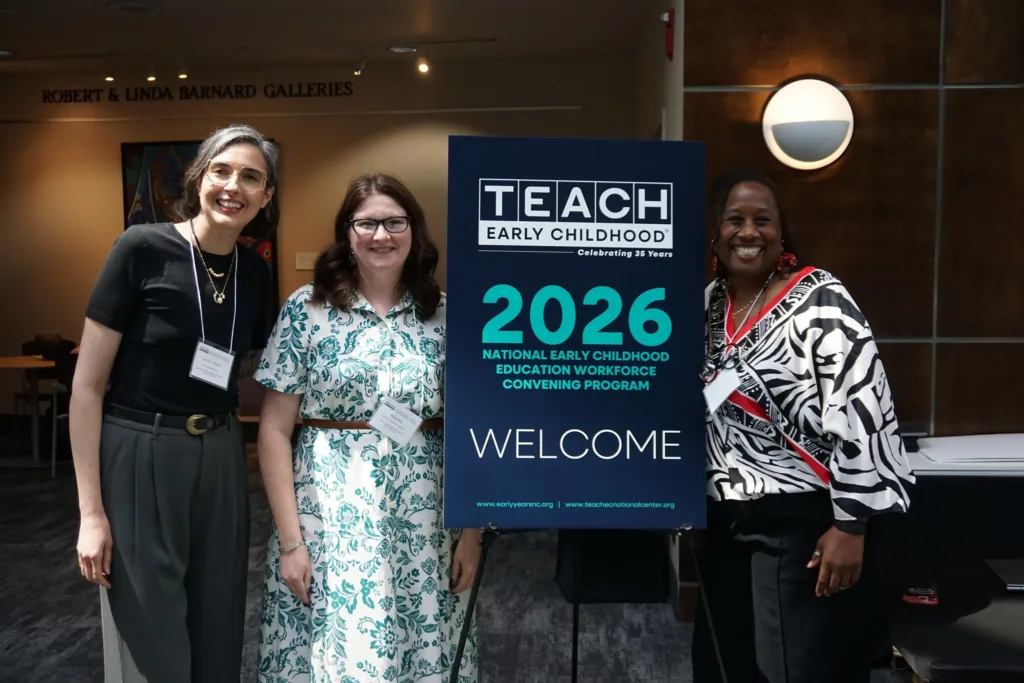
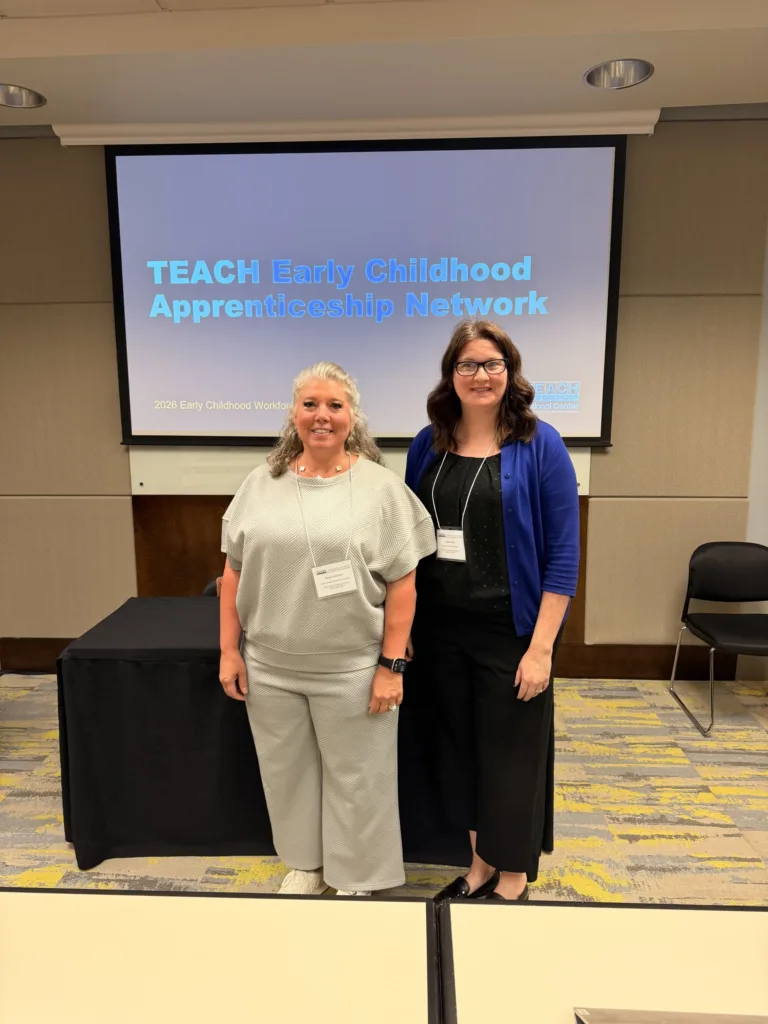
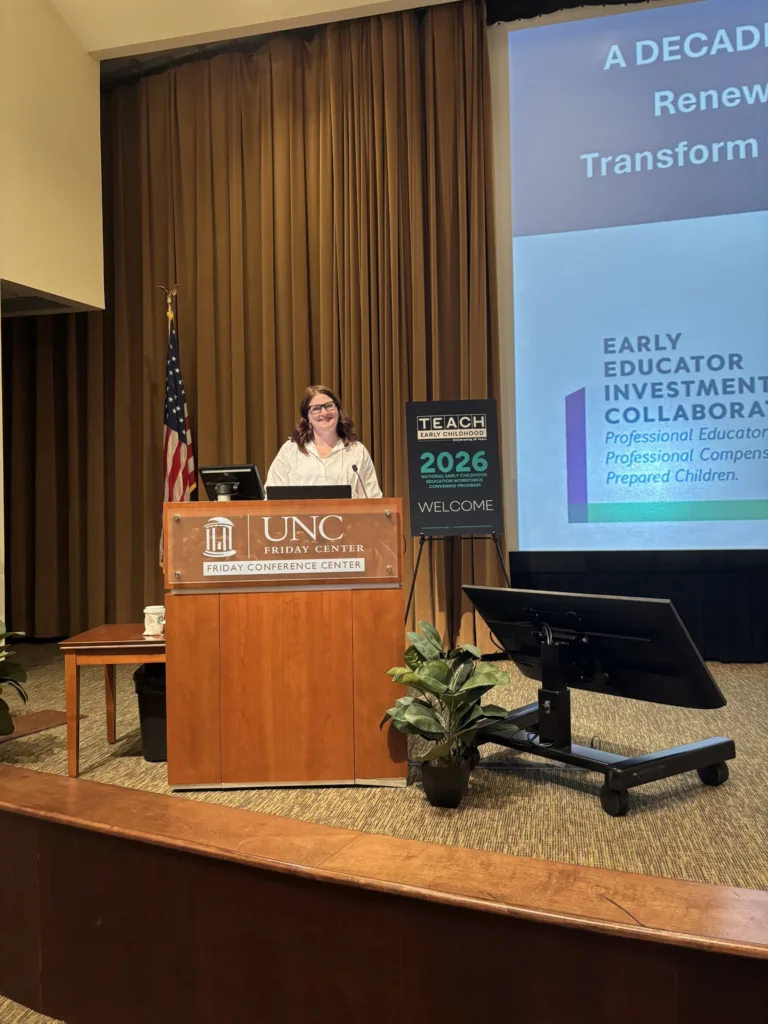
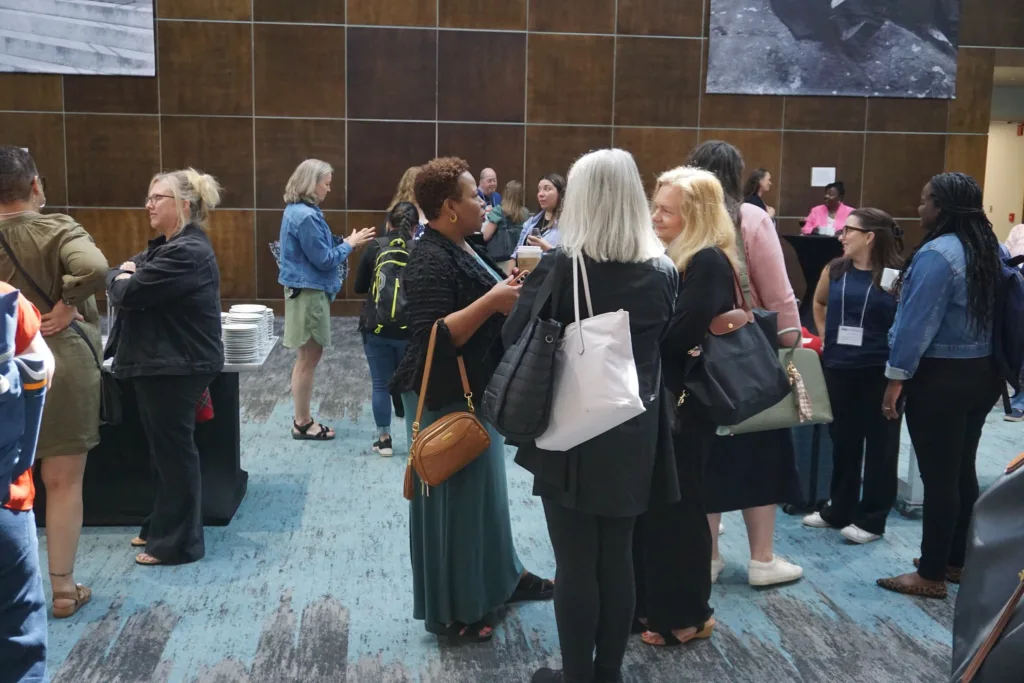
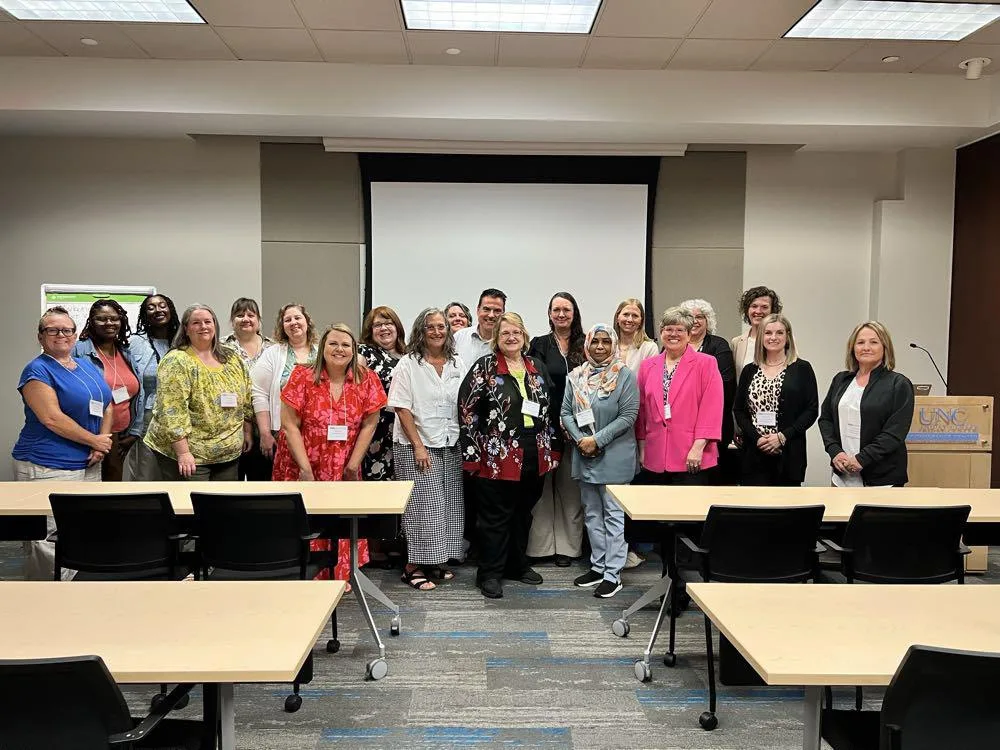
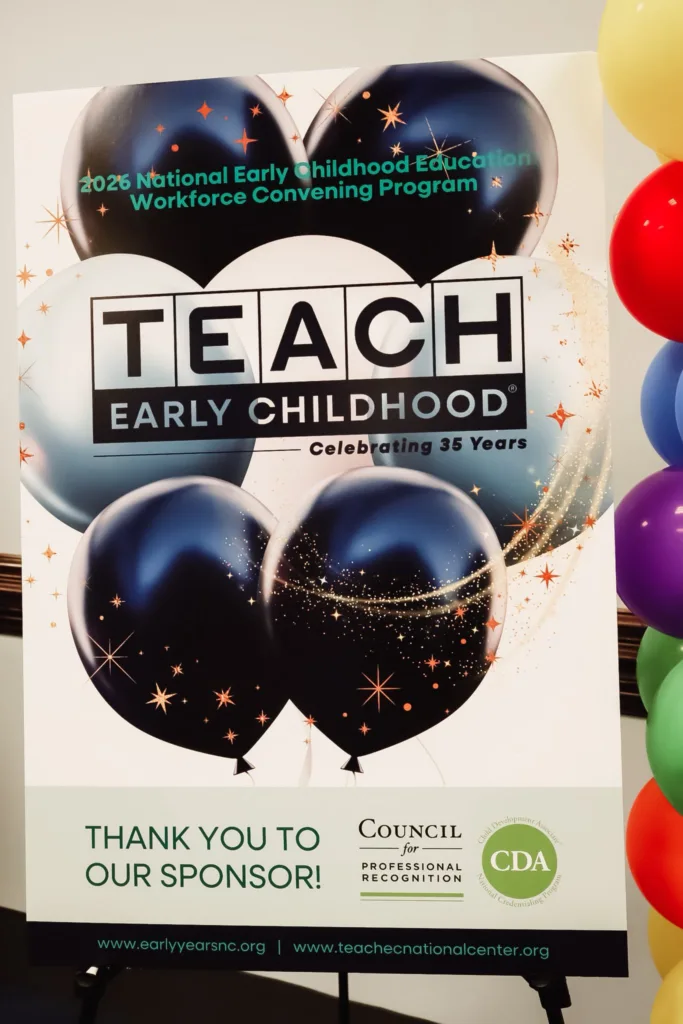
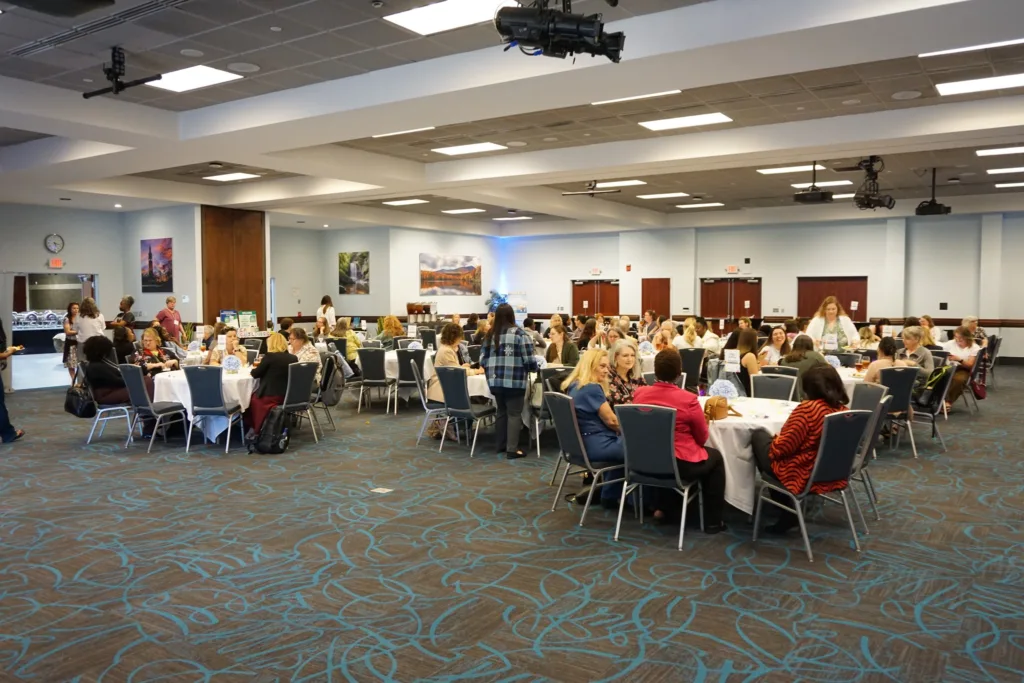
On Wednesday, April 15, and Thursday, April 16, 2026, Early Years’ TEACH Early Childhood® National Center hosted over 180 early childhood advocates, policymakers and funders at the 2026 National Early Childhood Education Workforce Convening.
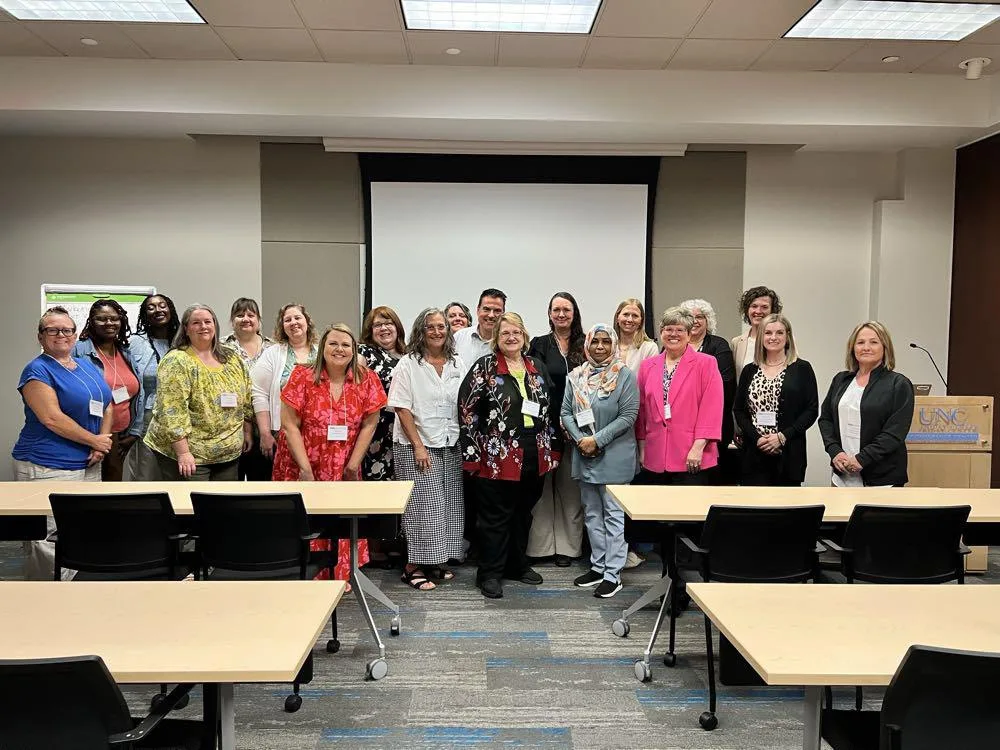
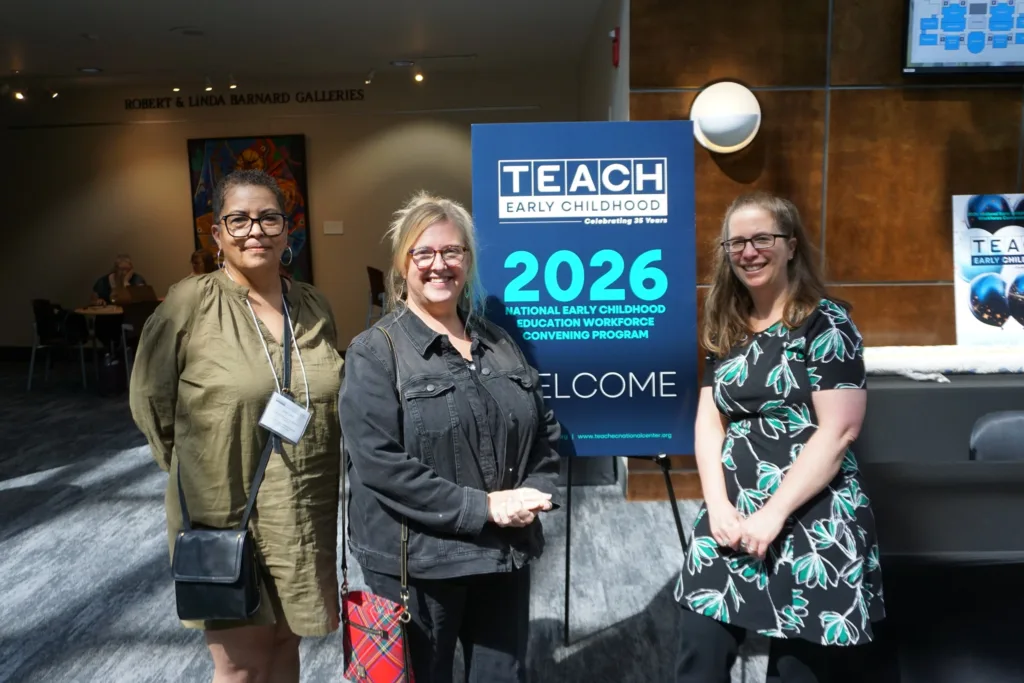
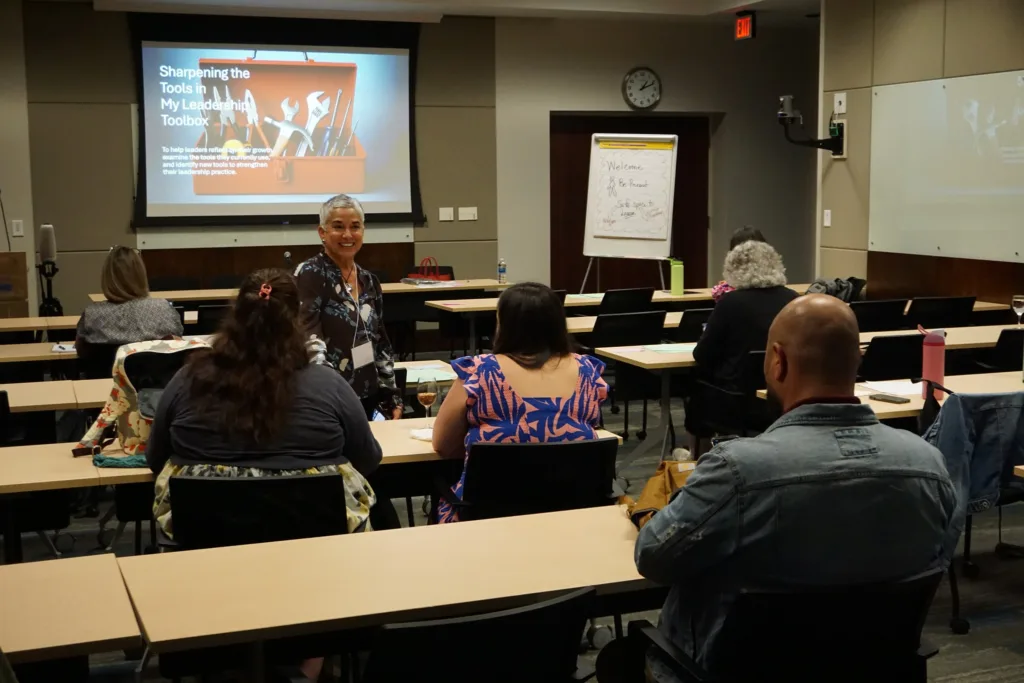
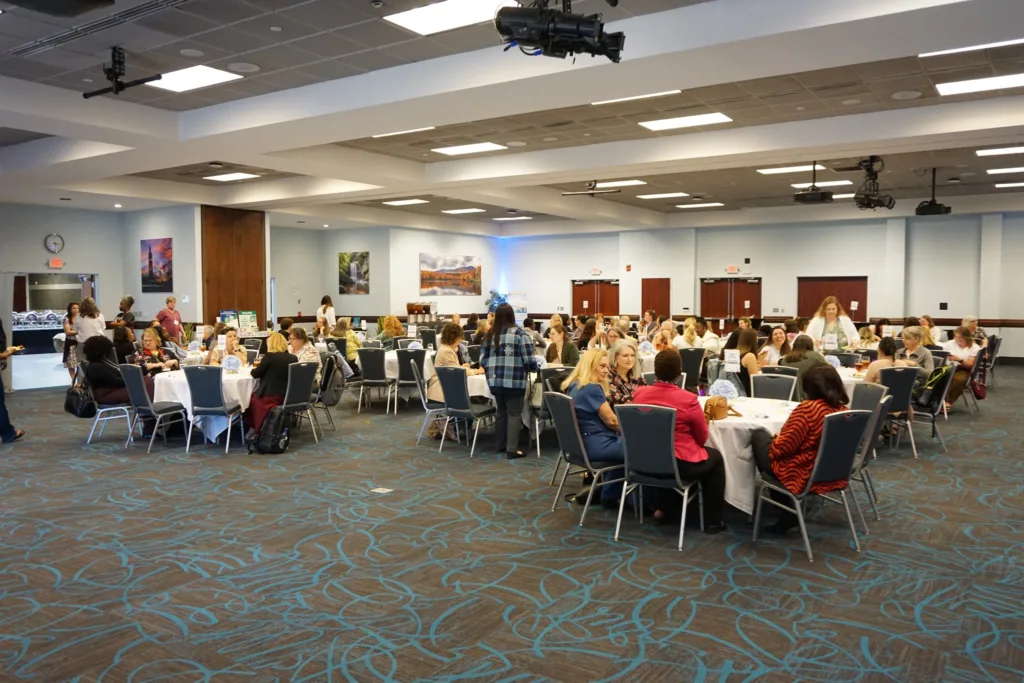
After a necessary shift to a virtual Convening in 2025, returning to the Friday Center in Chapel Hill brought back that incredible sense of connection. Together, we celebrated 35 years of the TEACH Early Childhood® program, which in FY 2025 alone has changed the game for tens of thousands of early educators nationwide. TEACH is currently being implemented in 22 states, and the Child Care WAGE$® program is being implemented in 5 states. State teams from both national programs attended the Convening.
“We will reflect, acknowledge and celebrate the essence of TEACH Early Childhood, its rich 35-year history and its national impact,” said Edith Locke (senior vice president of professional development initiatives at Early Years) at the welcome. “But the Convening is much more than just celebrating or acknowledging TEACH; it’s about stimulating connections, collaborations and inspiring growth. It’s a time to share knowledge, exchange ideas and reflect on how we can collectively strengthen the systems that support our early educators.”
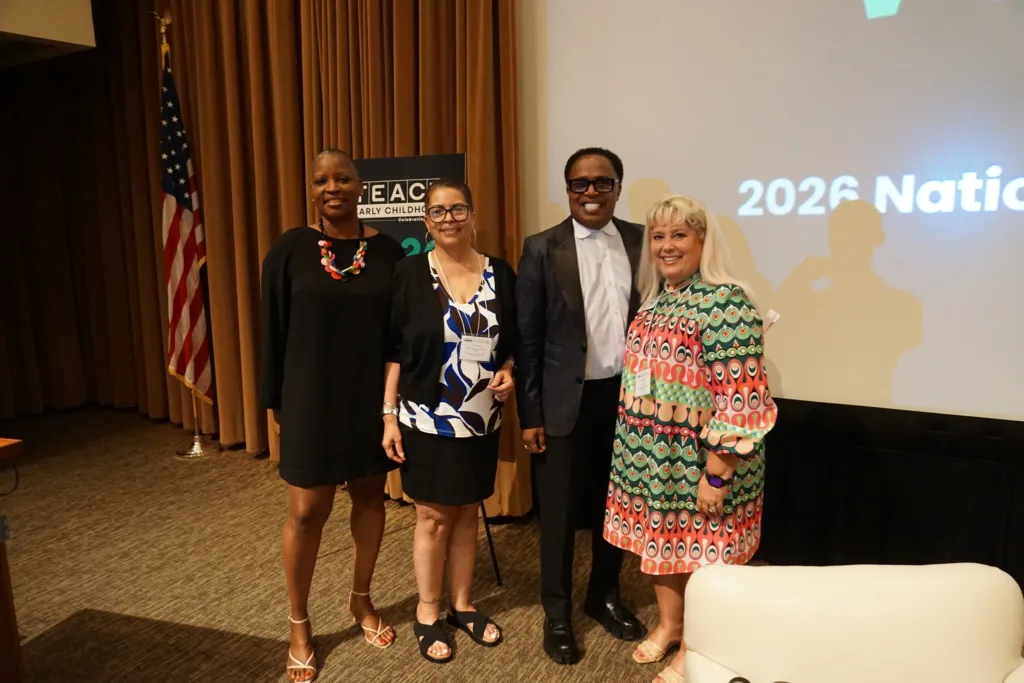
Marcia Cox Mitchell (chief program officer, Bainum Family Foundation) kicked off the keynote session. “[TEACH] has always been visionaries with a laser focus on what matters most, which is competence, well-being and compensation of early childhood educators,” said Marcia, “TEACH has consistently proven that investments in early childhood matter, and investments in the early childhood education workforce matter most.”
“I know it seems like we’re in a period of uncertainty, but TEACH was birthed in uncertainty, and in many ways, the moments like now [are] when TEACH thrives the most,” continued Marcia. “I see this as an opportunity to lean in, embrace the spirit of uncertainty, go back to our roots, remember how TEACH was established, and pave the way for more visionary thinkers in this space to be bold.”
Early Years President Dr. Kristi Snuggs shared a similar sentiment during her keynote address, “Uncertain Times, Unshakable Purpose: Celebrating 35 Years of TEACH.” Dr. Snuggs began by highlighting the important role early educators played in her personal life: “When I was down, in I think the worst moment in my life, there was one thing as I look back that really held my family together… It was the high-quality early care and education that my daughter received.”
“The educators, they’re the ones that help make a difference. That work is what changes lives,” said Dr. Snuggs. “That’s why we had the vision of doing something for those people in the workforce. That’s why it’s so important to support our workforce.”
“Early care and education is essential. It’s the workforce behind our workforce,” she said, “And yet, the professionals in this field have been historically underpaid, undervalued and overlooked. This has to change.” Calling back to Marcia’s remarks, Dr. Snuggs said, “It is in these times that are uncertain, when we think there’s no way out, that these kind of changes can happen.”
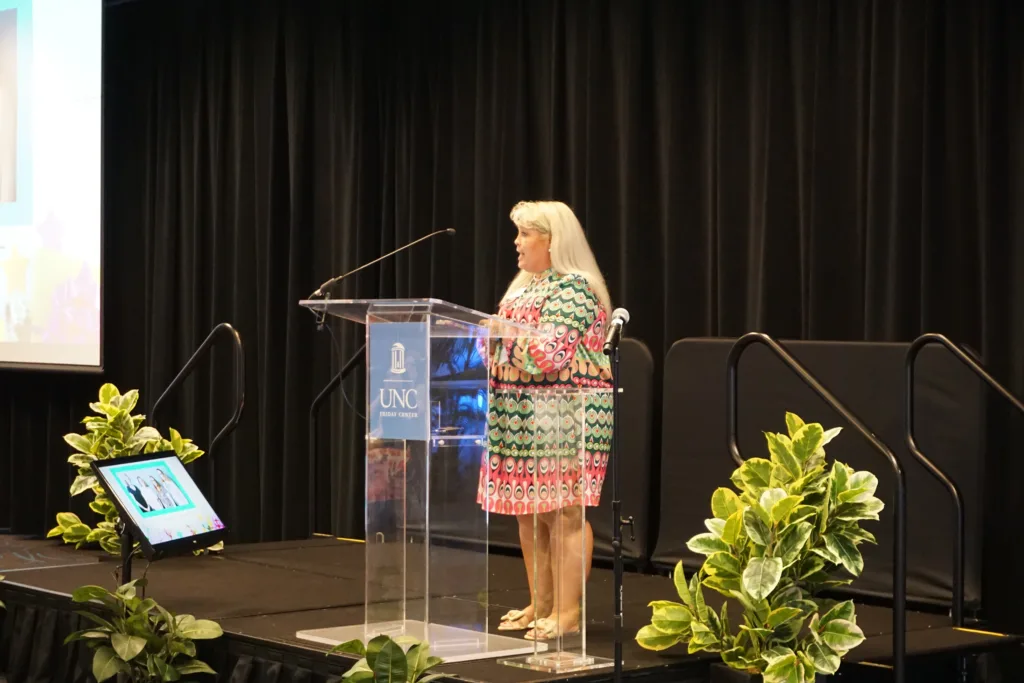
“35 years ago, a bold idea was born right here in Chapel Hill, North Carolina,” said Dr. Snuggs. “The idea was simple but it was very revolutionary: invest the education of the early childhood workforce, and we improve the lives of children, and we improve the lives of our future… That idea became the TEACH scholarship program. Since its creation, TEACH has supported thousands of educators in pursuing credentials and degrees in early childhood education, and the results are powerful.”
Some of the results mentioned were:
- Last year, 56% of TEACH participants across the nation were first-generation college students.
- TEACH scholars stay in the field at rates of 95-97%, which is dramatically higher than the typical turnover rates we see in early care and education.
- Educators who complete TEACH often receive 8-10% wage increases.
“Most importantly, the work of TEACH scholars has reached hundreds of thousands of young children, improving the quality of their care, improving the quality of their life and then improving the quality of the wellbeing of those families,” said Dr. Snuggs. “TEACH has done something extraordinary: it has told educators and the support systems around them, that you matter, your education matters, your future matters.”
Following Dr. Snugg’s keynote address, Dr. Calvin E. Moore, Jr. (chief program officer, Council for Professional Recognition) closed the session with his remarks. “There are age old debates, and they’re cripled by uncertain times,” said Dr. Moore, “but it’s time for us to act. I do believe we are ready.”
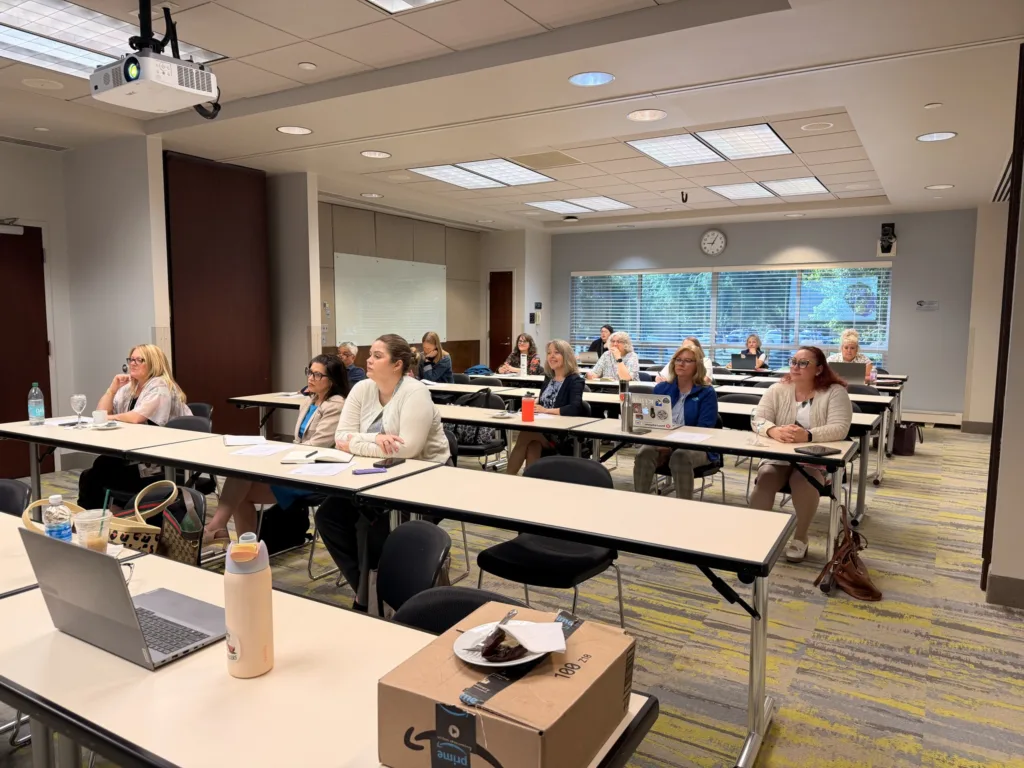
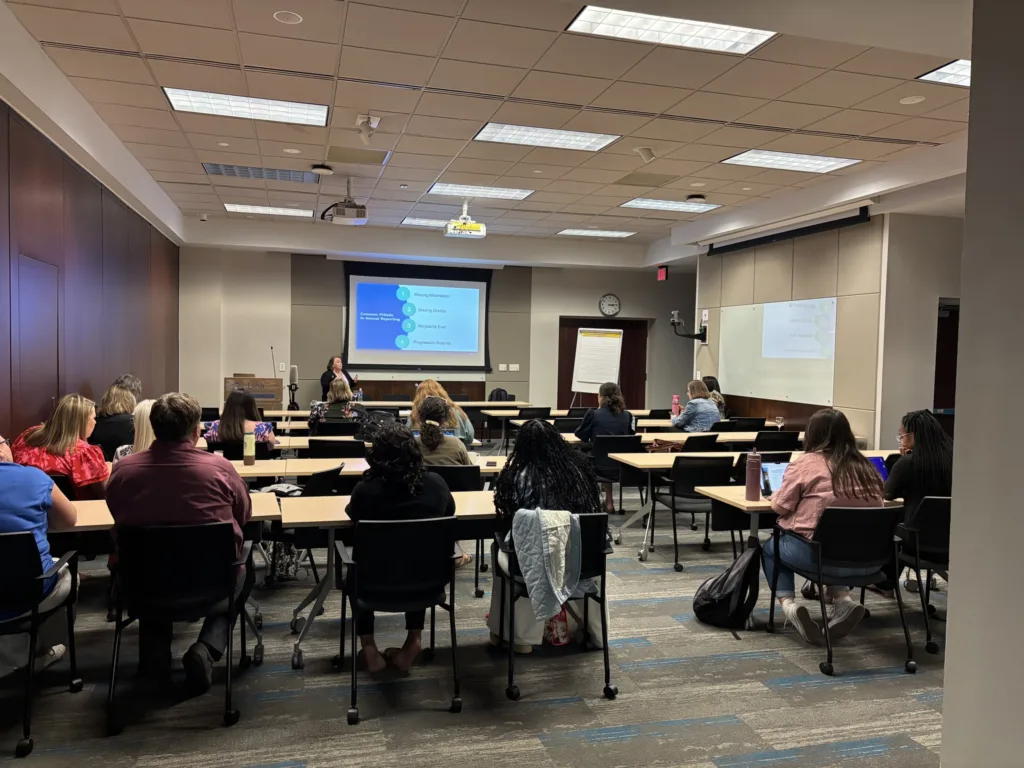
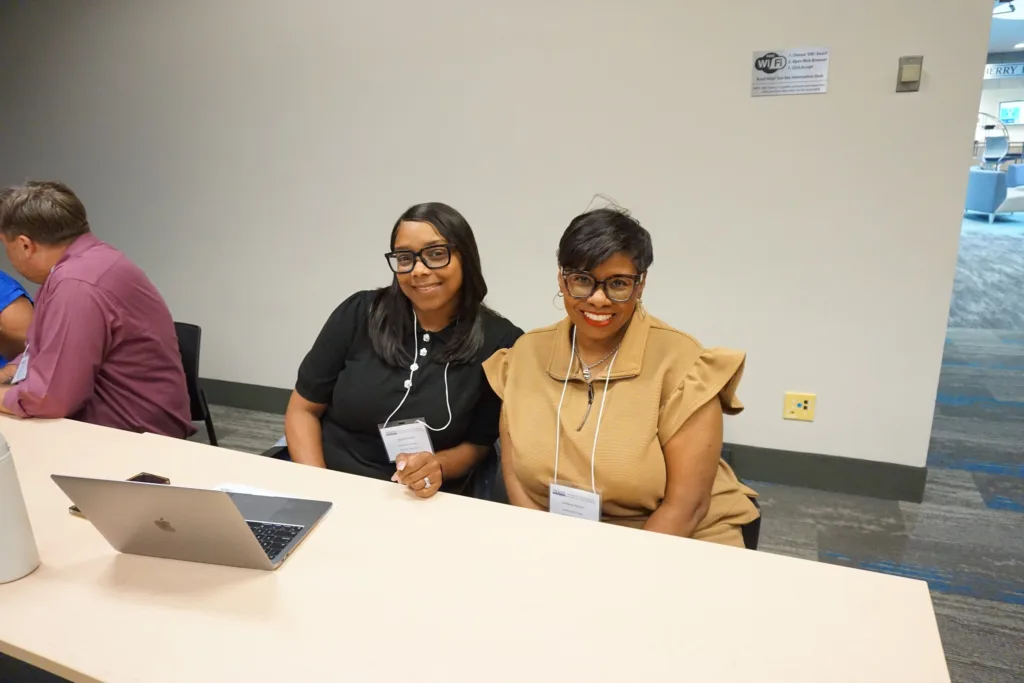
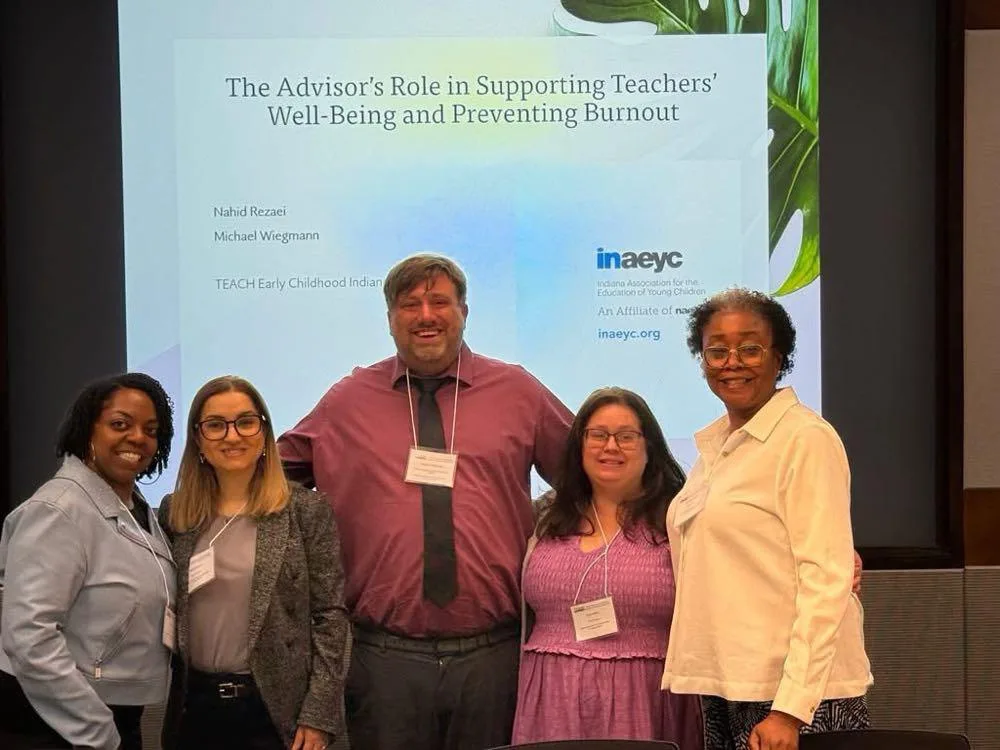
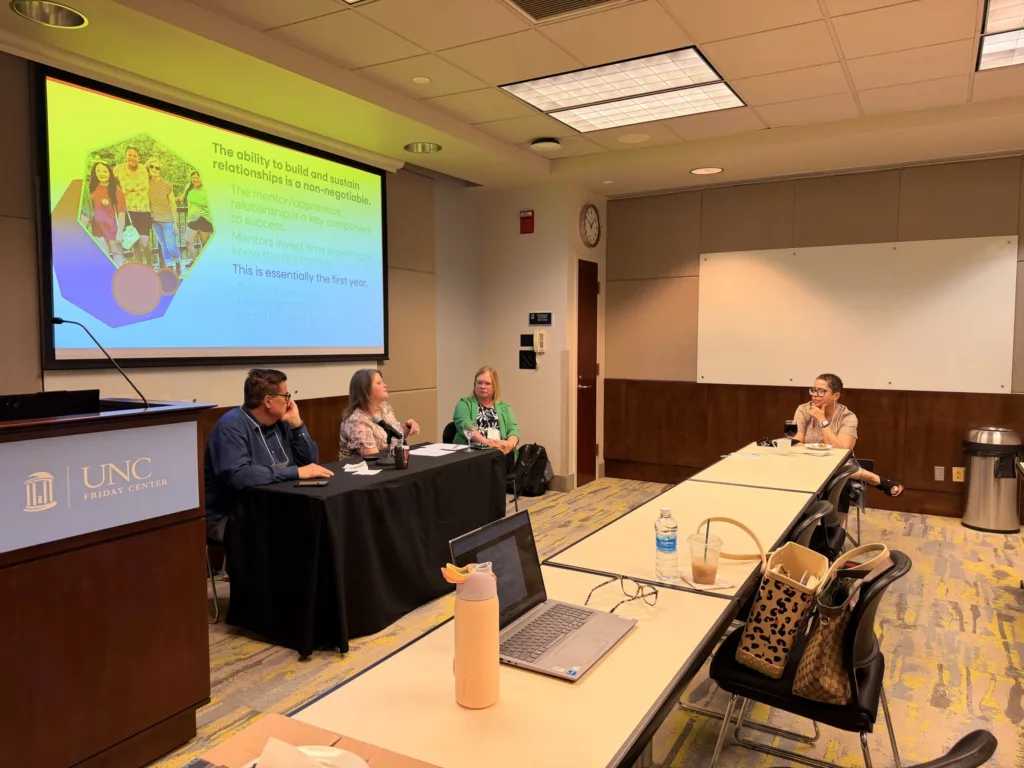
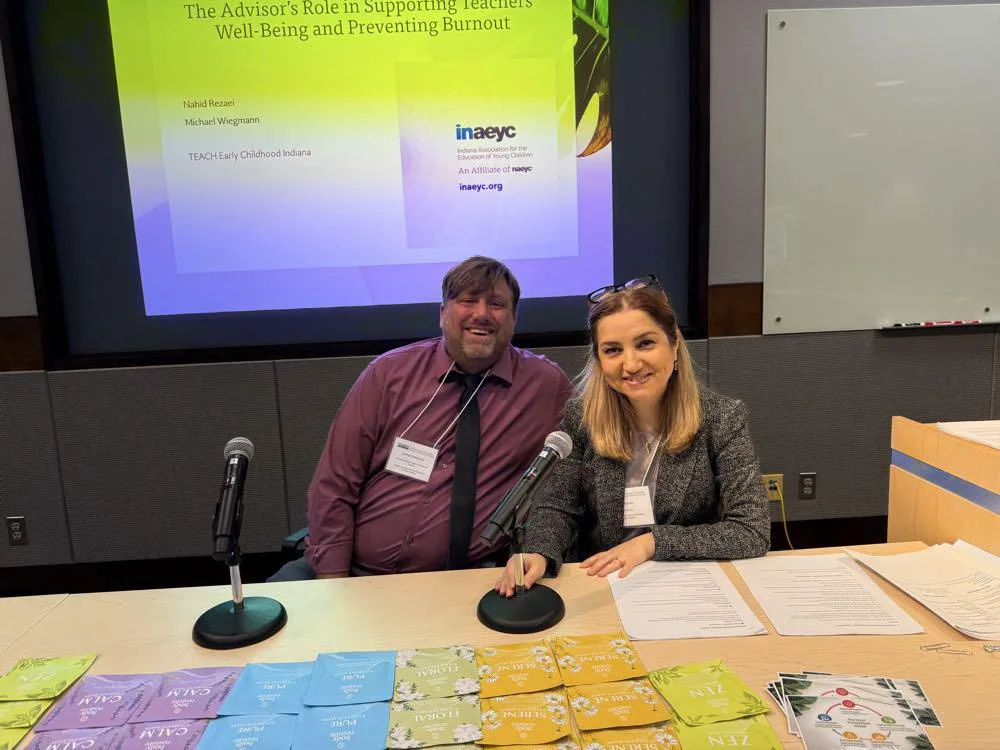
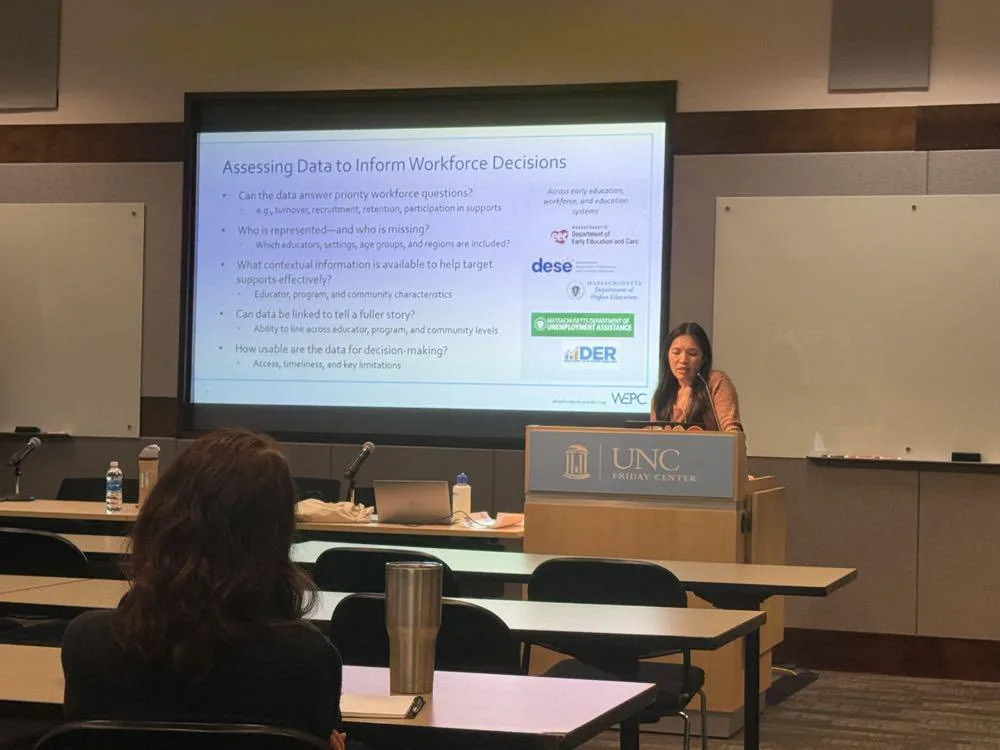
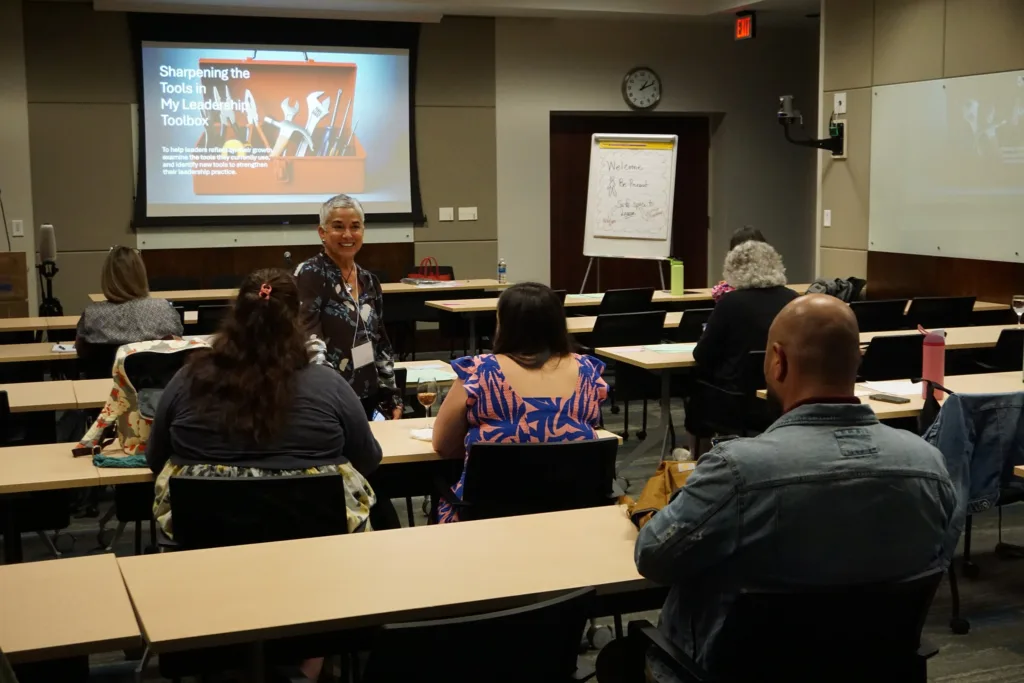
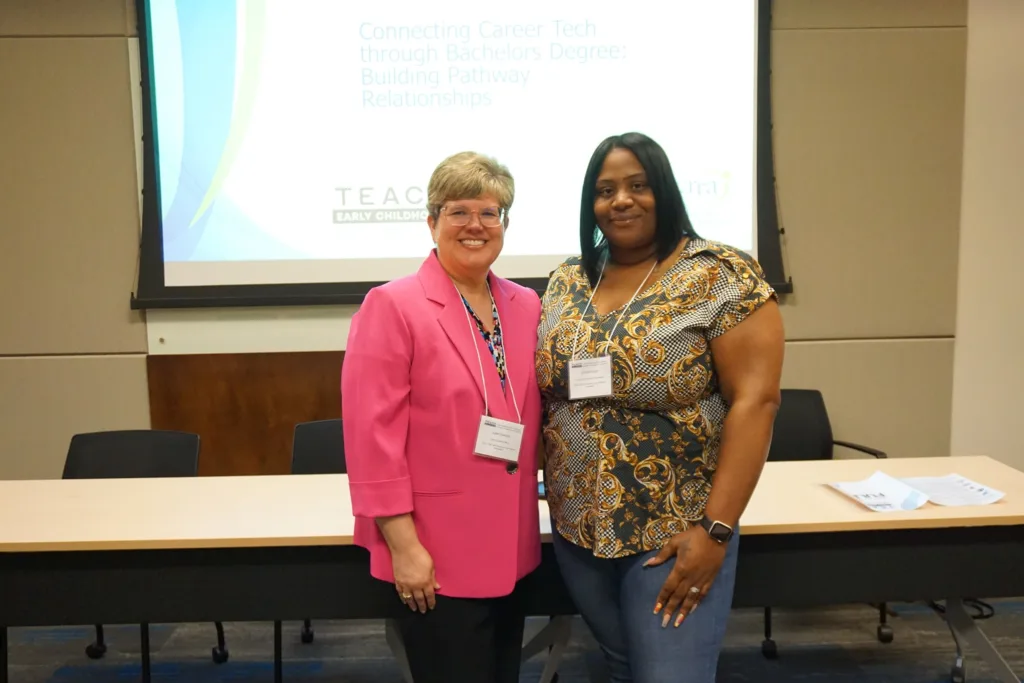
With over 30 breakout sessions throughout both days of the Convening, attendees from across the nation got the opportunity to share their experiences and spark new ideas together. Erin Young, TEACH scholarship manager at Child Care Aware of Minnesota, has been attending the National Early Childhood Education Workforce Convenings for 10 years! “It makes you feel like part of the TEACH family to be here,” she said. “I like connecting with people who are doing the same work but in different places in the country. It makes you feel like you have a shared experience and vocabulary, like you are part of something that’s bigger than just your work in your state.”
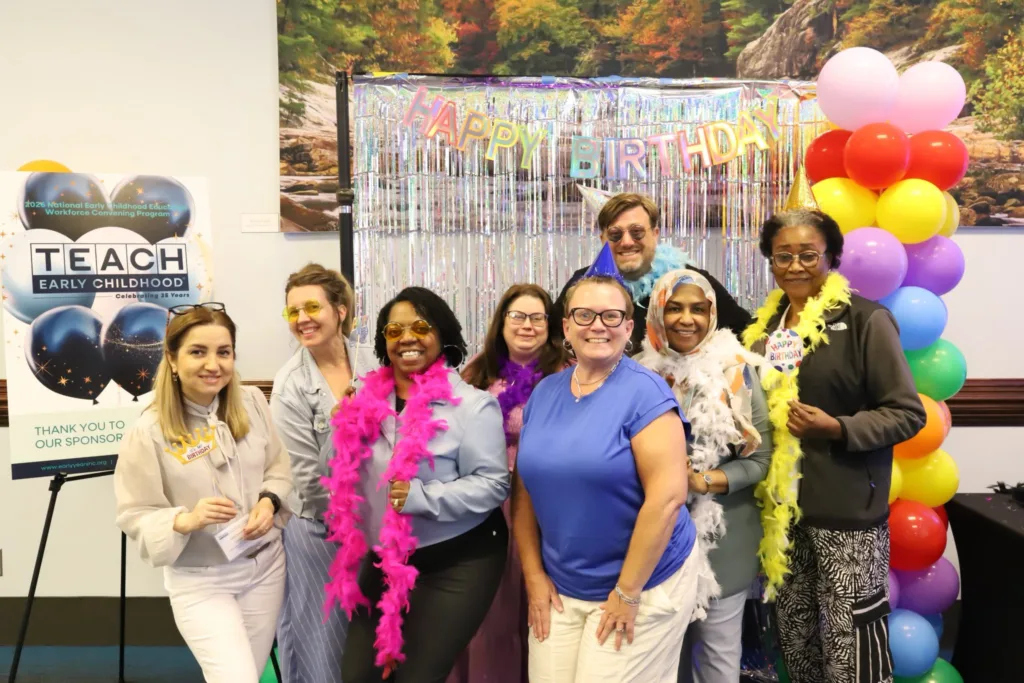
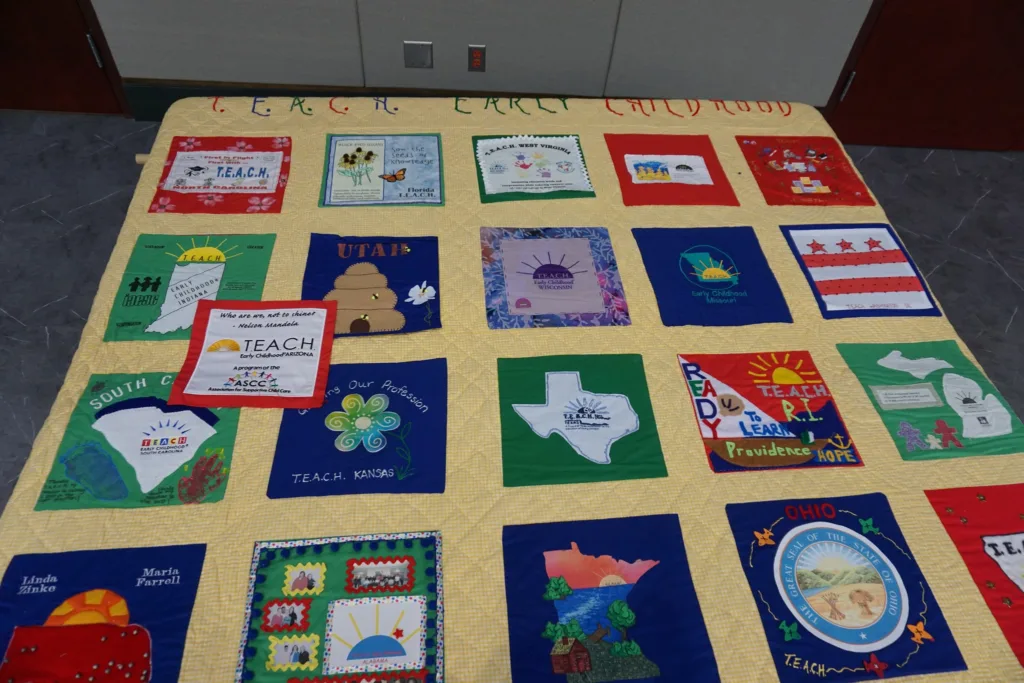
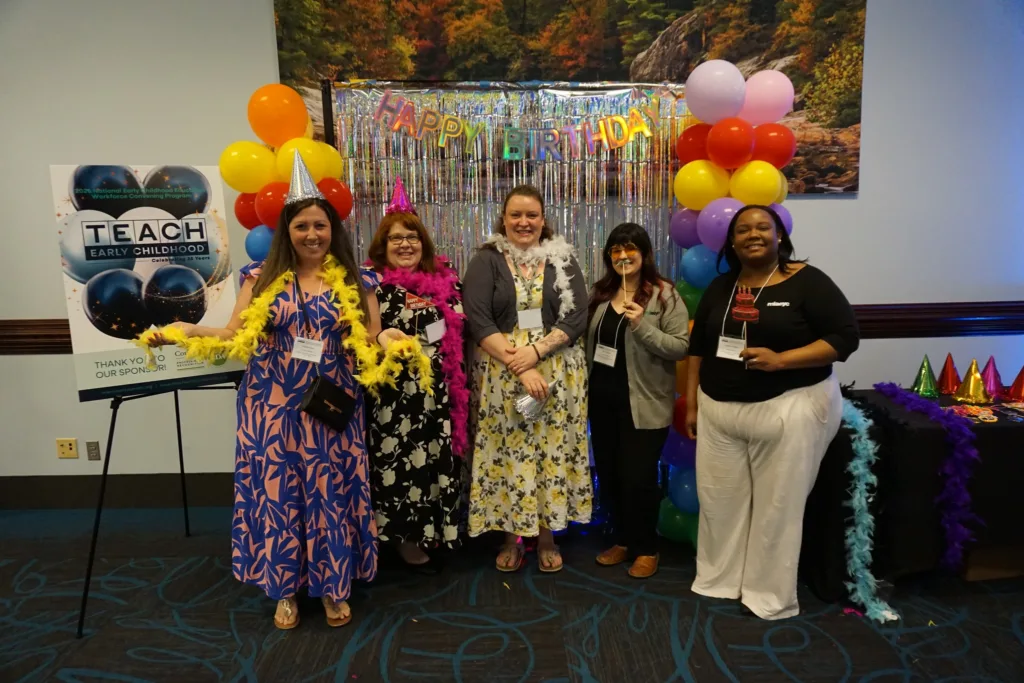
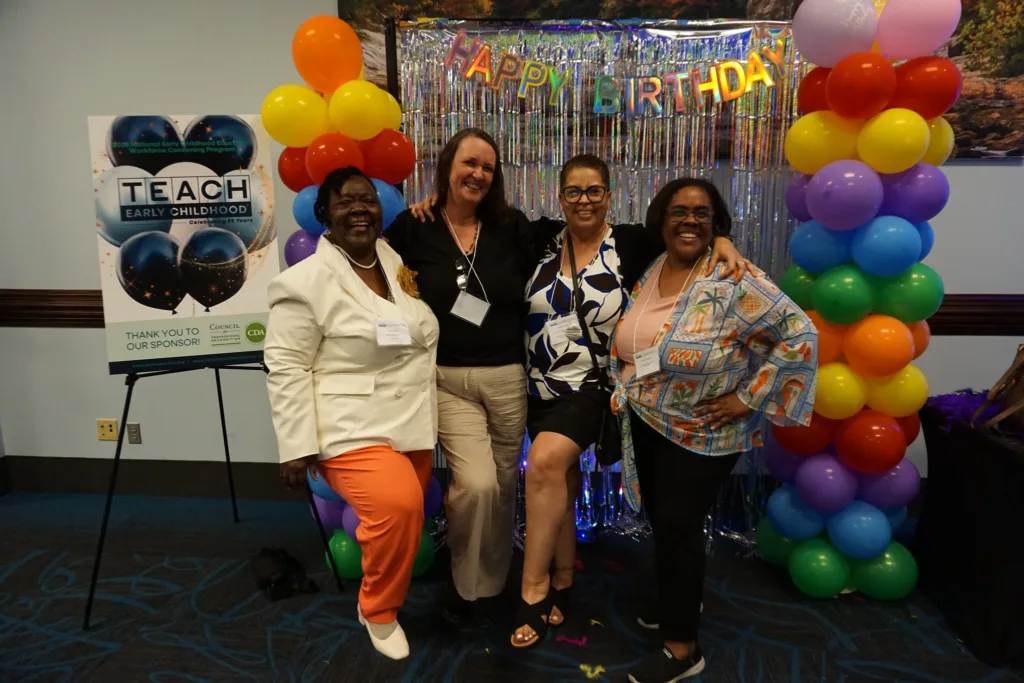
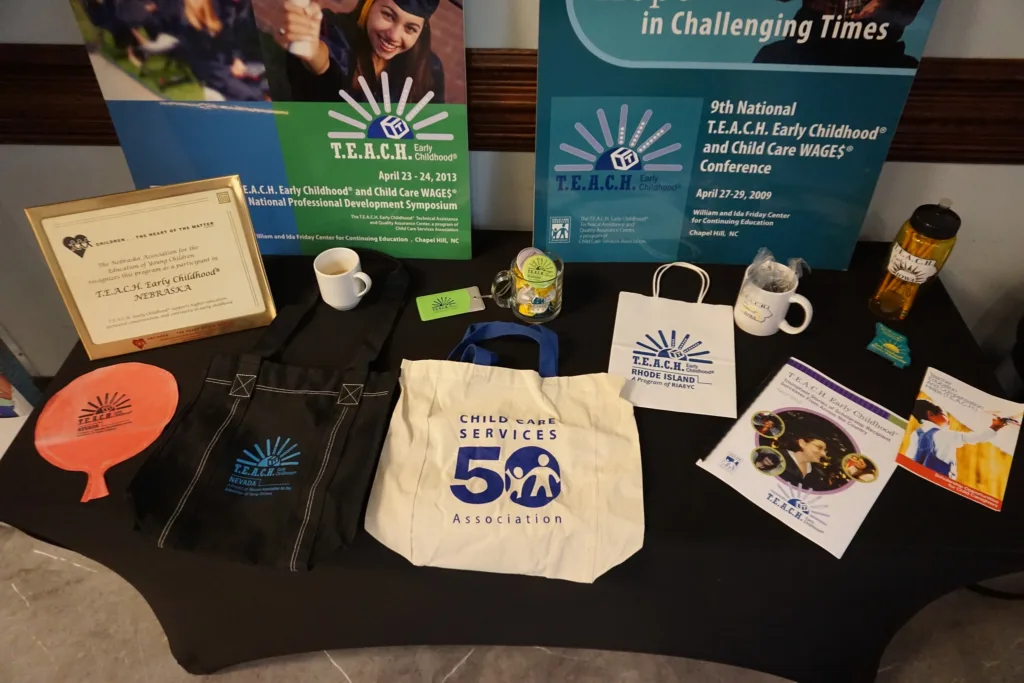
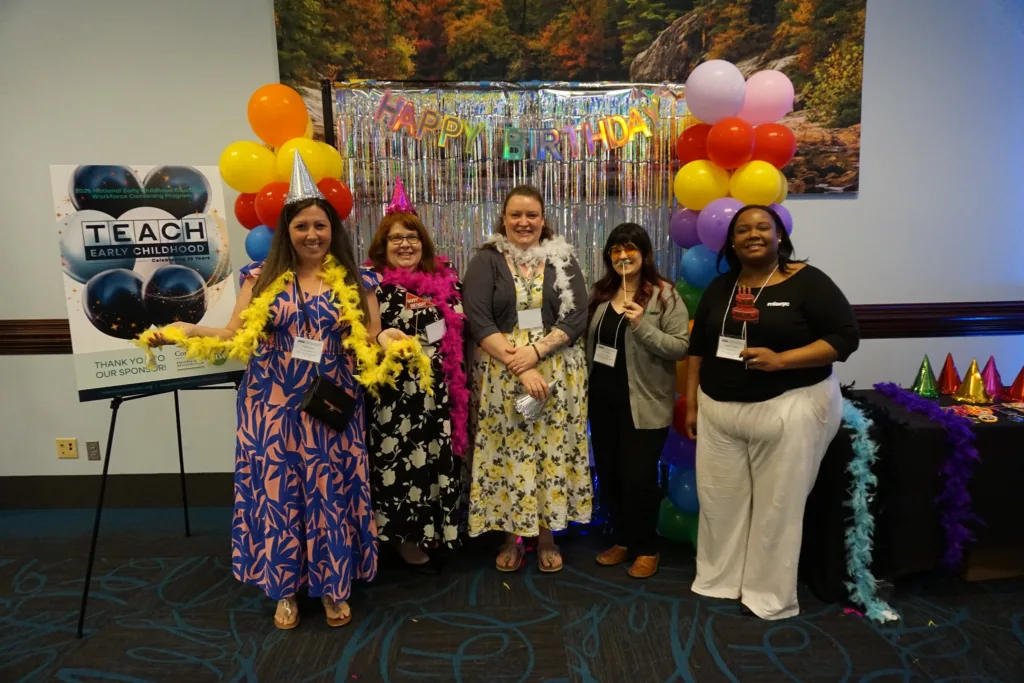
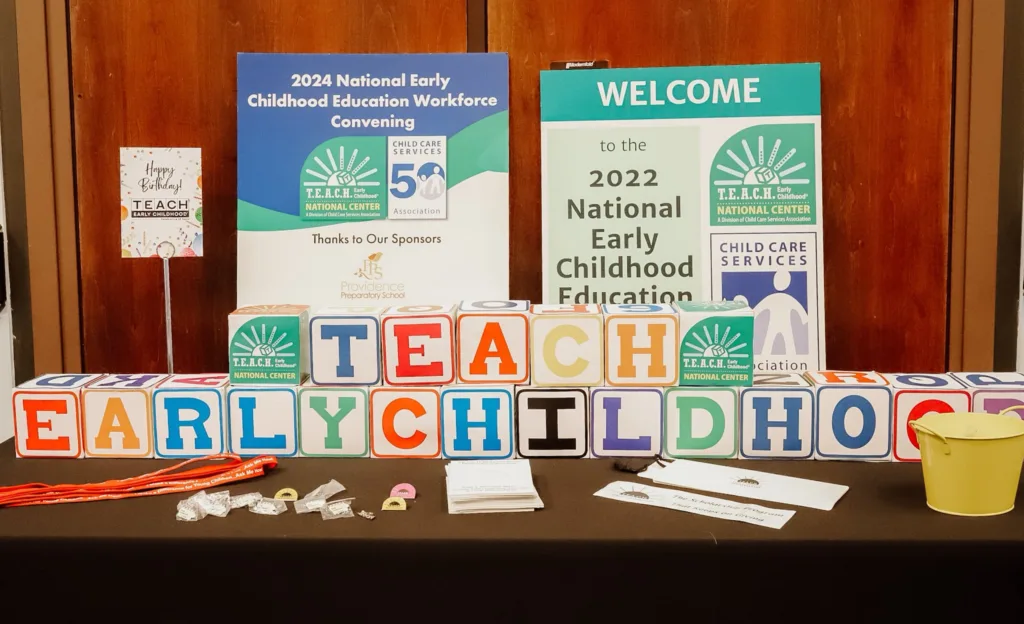
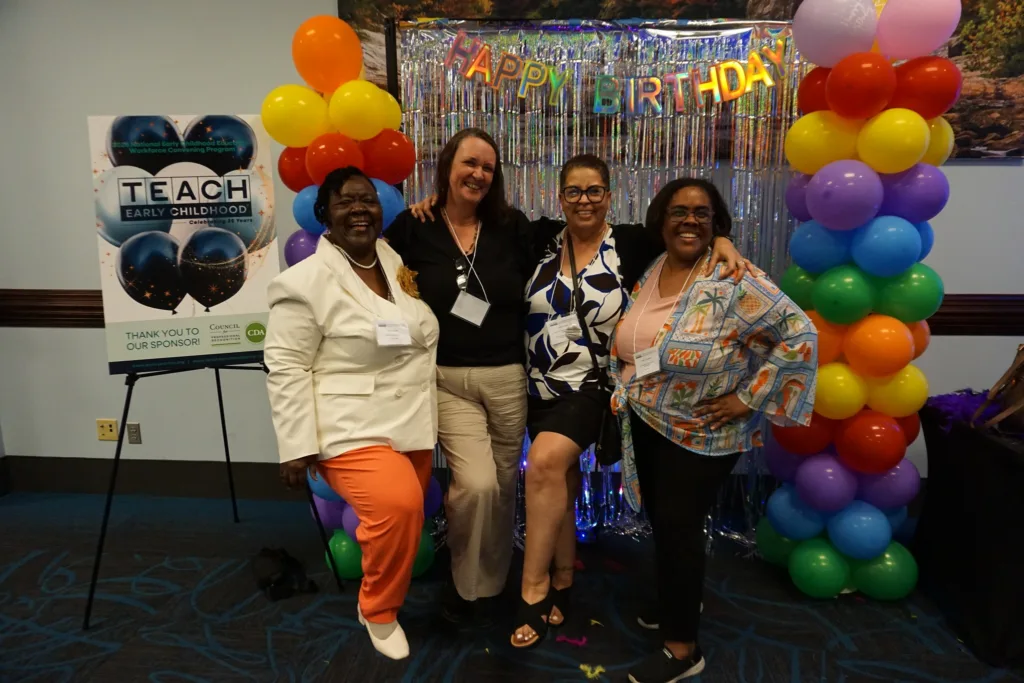
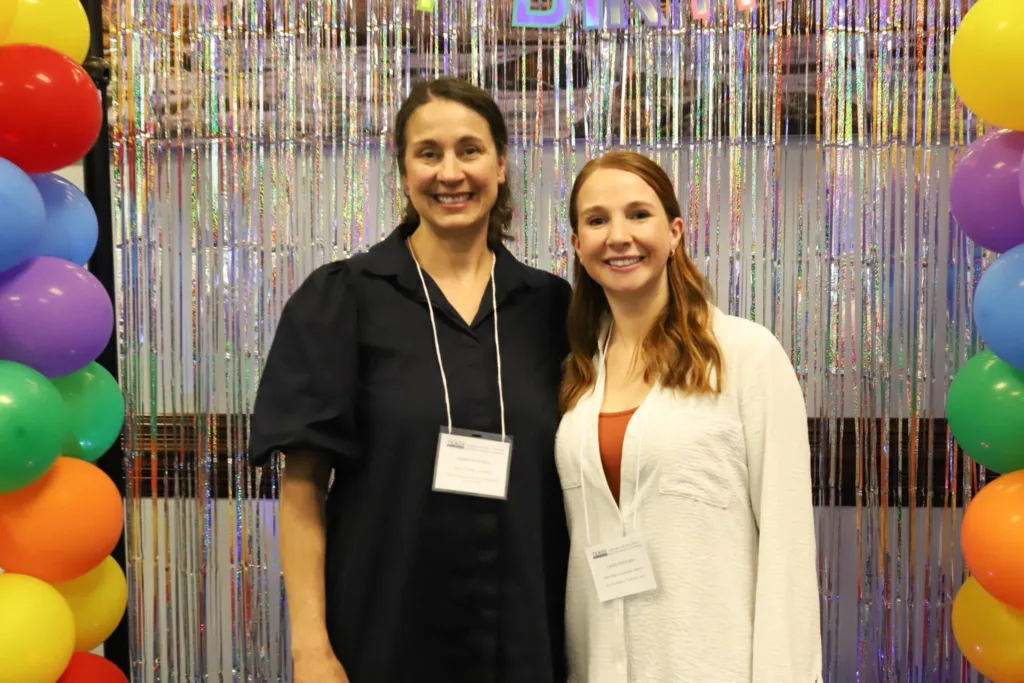
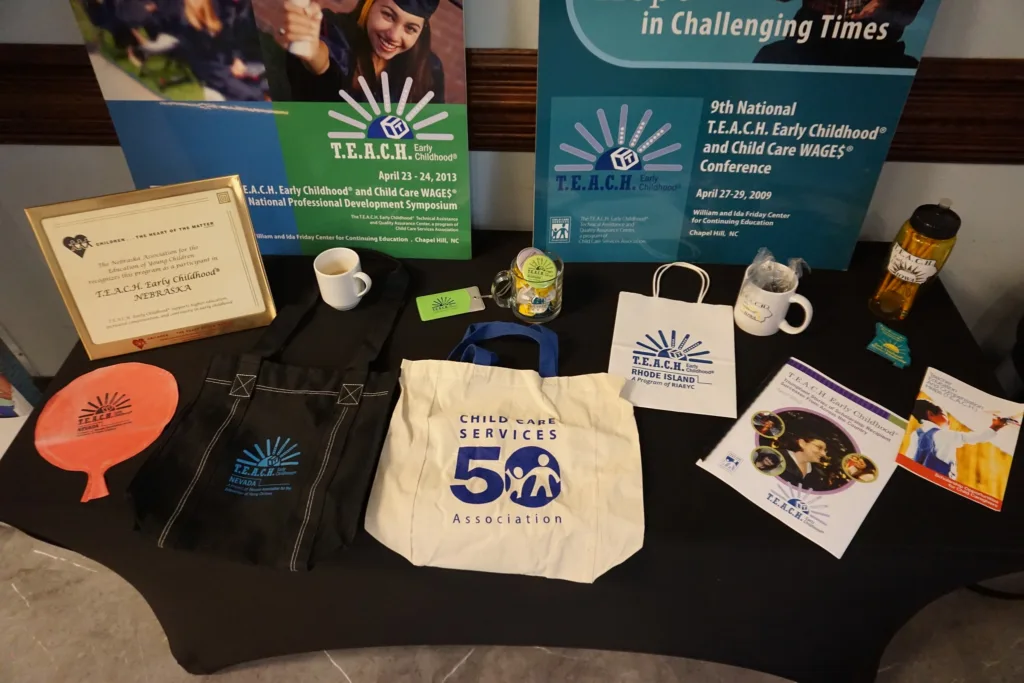
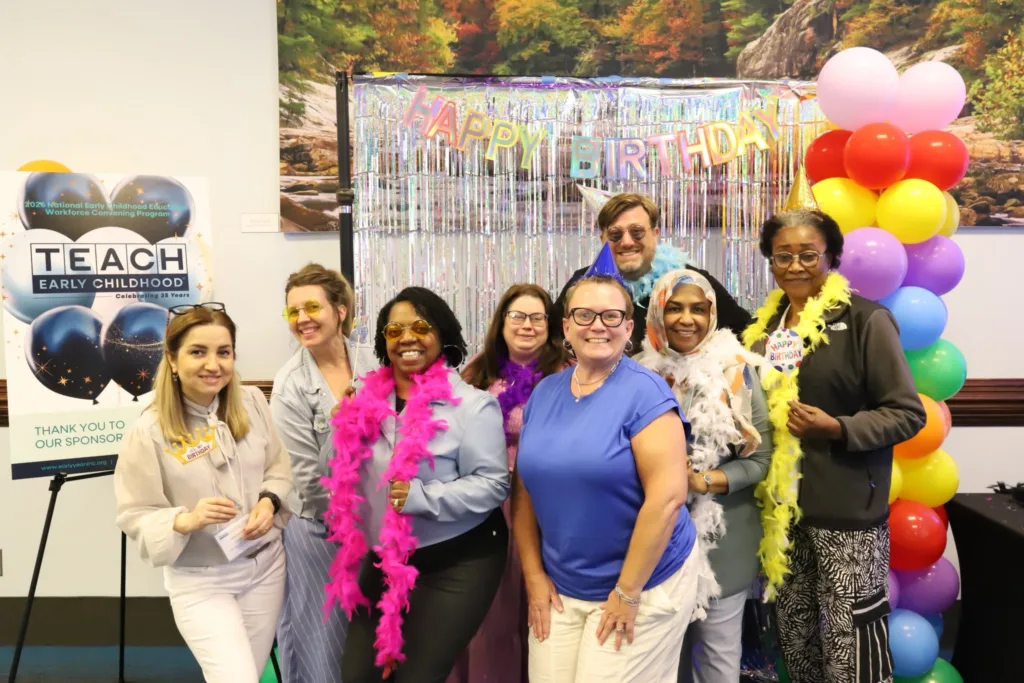
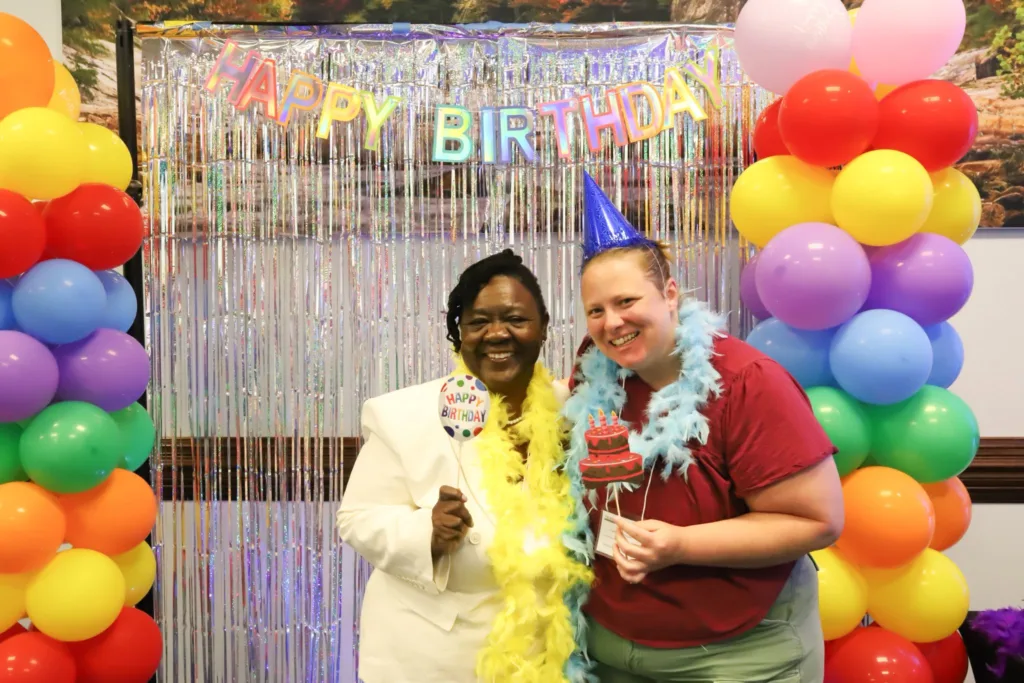
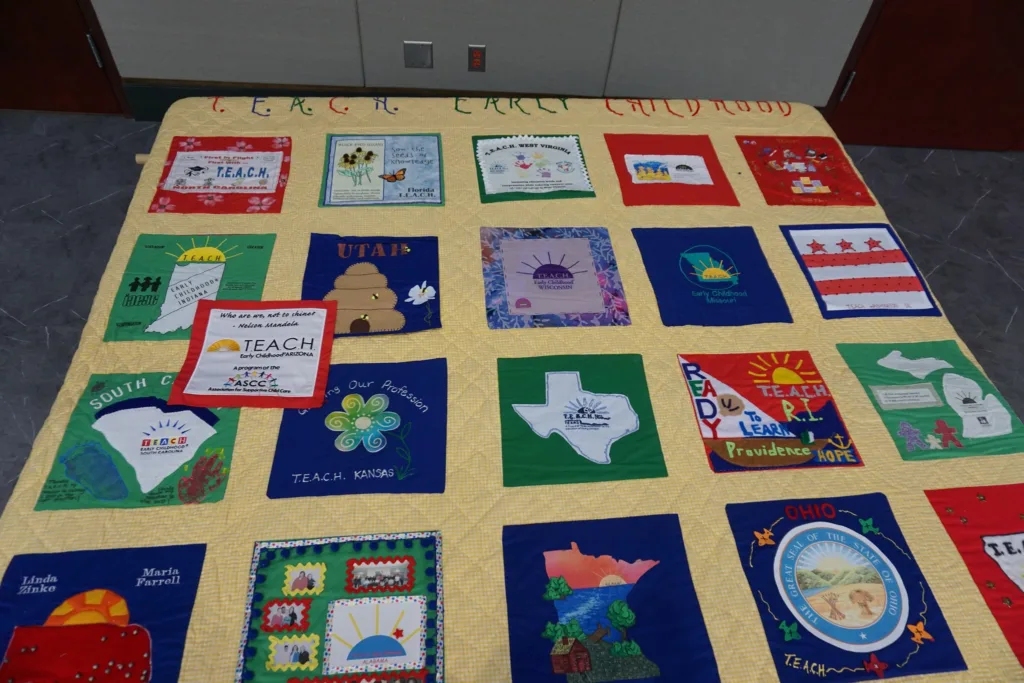
Wednesday concluded with a special birthday party in celebration of 35 years of TEACH. The room was filled with partygoers and relics of TEACH’s history. There were signs, pins, banners and various TEACH swag items from past and present TEACH states. There was even a quilt with personalized state patches, starting in FY 2000, with each patch placed sequentially based on the respective implementation date.

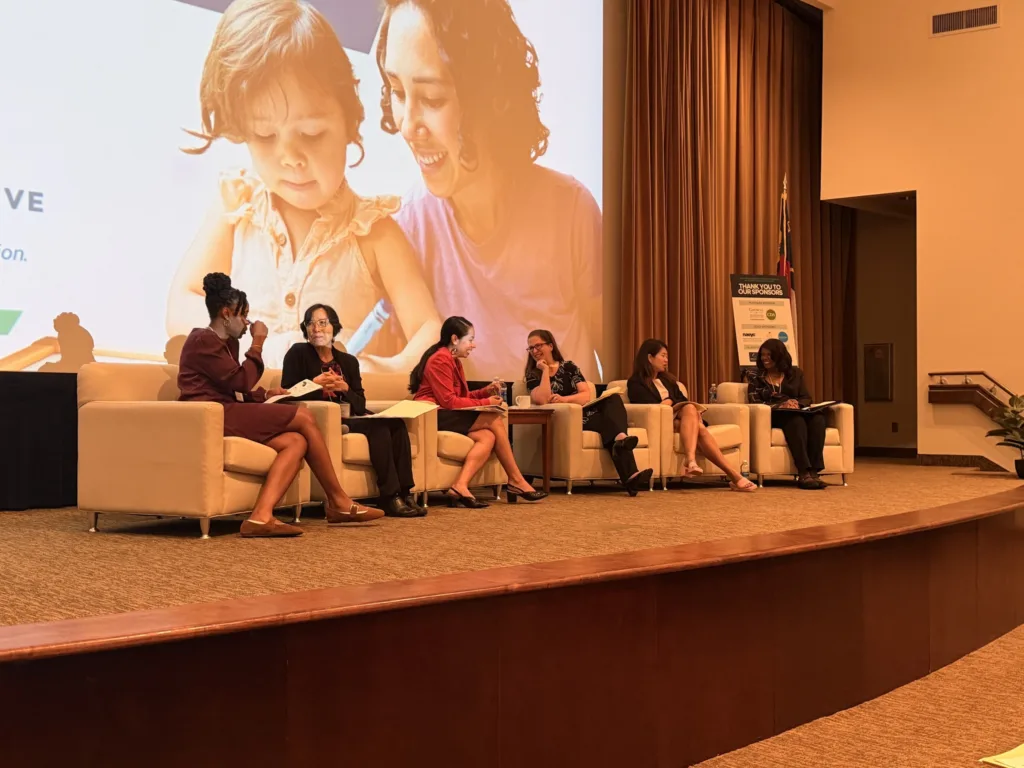
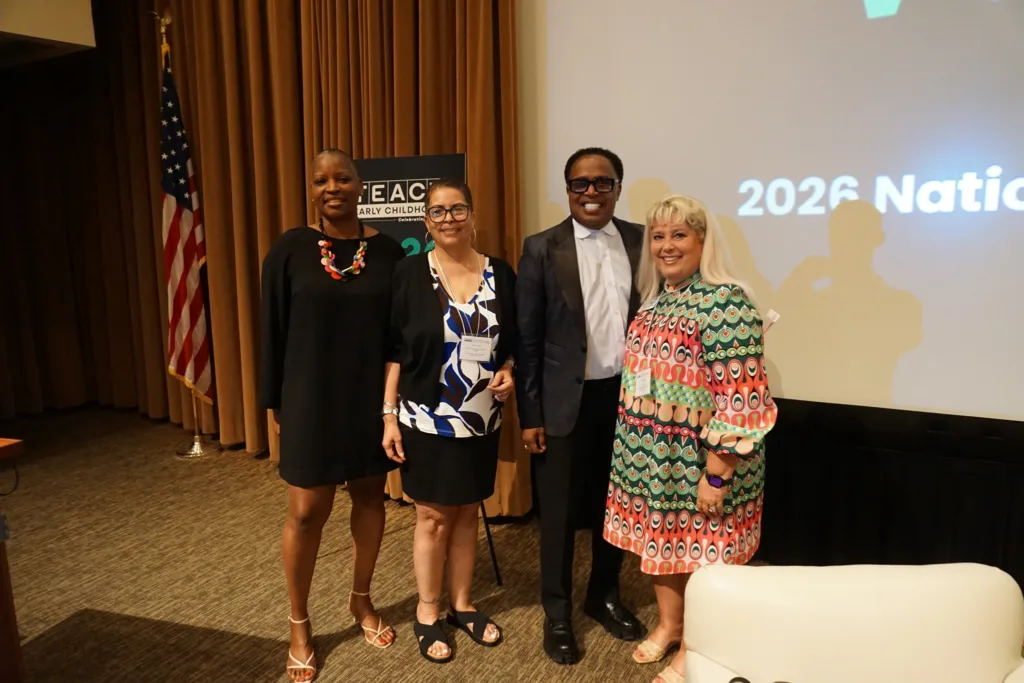
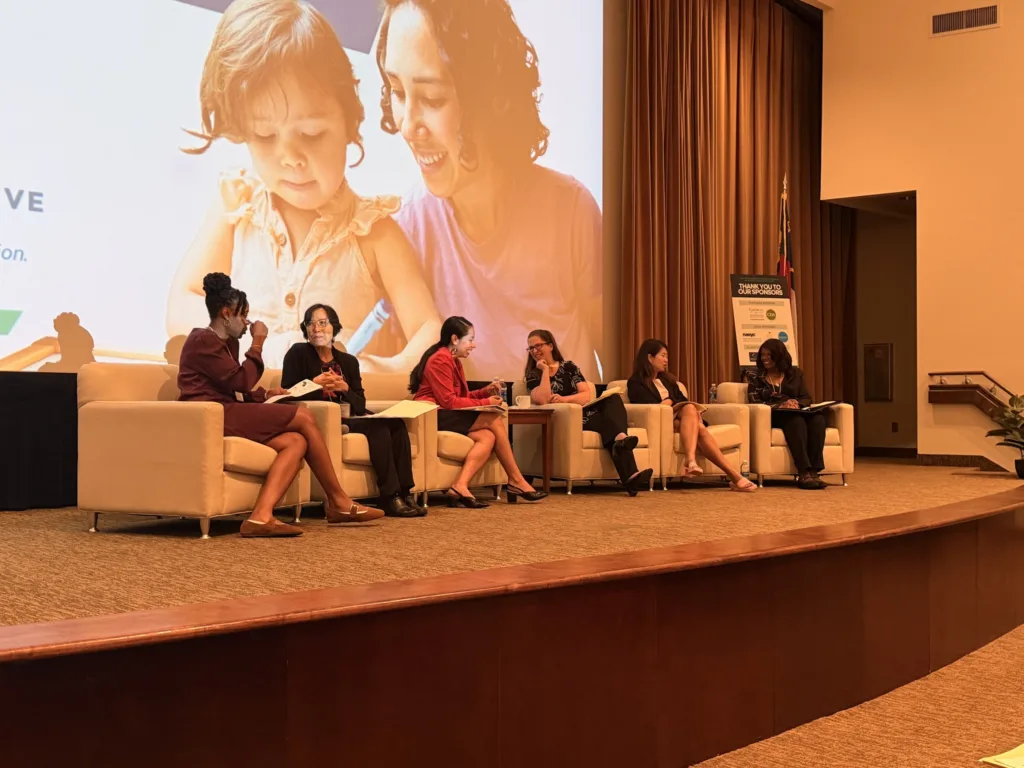
Thursday’s big unifying session was the plenary panel, “A Decade of Direction: Renewing the Call to Transform ECE,” hosted by Ola J. Friday (executive director of the Early Educator Investment Collaborative, often referred to as “The Collaborative”) and featuring panelists Winona Hao (director of early learning, National Association of State Boards of Education), Mary Harrill (senior director, higher education accreditation and program support, National Association for the Education of Young Children), Theresea Lock (director of Hawaiʻi Early Childhood Educator Excellence and Equity Project, University of Hawaiʻi at Mānoa), Andrea Maldonado (director of quality assessment and recognition, the National Association for Family Child Care) and Valora Washington (founder and CEO, the CAYL Institute).
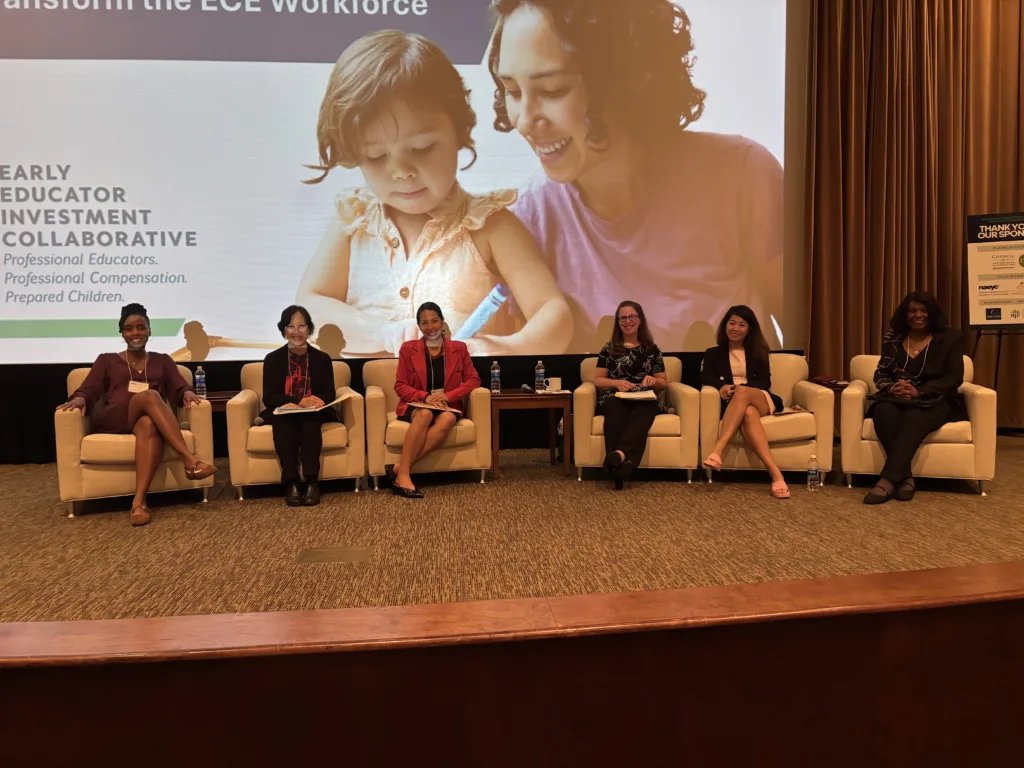
Panelists presented how their papers are part of The Collaborative’s project “A Decade of Change,” before participating in a collective conversation about the early childhood education workforce. Concluding the plenary session, Ola asked panelists, “What is one key practical takeaway from your papers, or a charge ahead, that you want to leave with our system-level leaders in this room?” Valora responded, “I think it’s very possible, with support, to really think about how you can coordinate [with] the higher education institutions, the community-based organizations, and work with employers to systematically address the workforce shortage.” Mary said, “Let’s keep it simple… Let’s make [it] easy for educators to navigate [this profession].”
We want to give a heartfelt thank you to all of our attendees, presenters, sponsors and staff members who helped make the 2026 Convening possible. We look forward to continuing our work and conversations, and meeting again next year at the 2027 National Early Childhood Education Workforce Convening, on April 21 and 22, here in Chapel Hill.
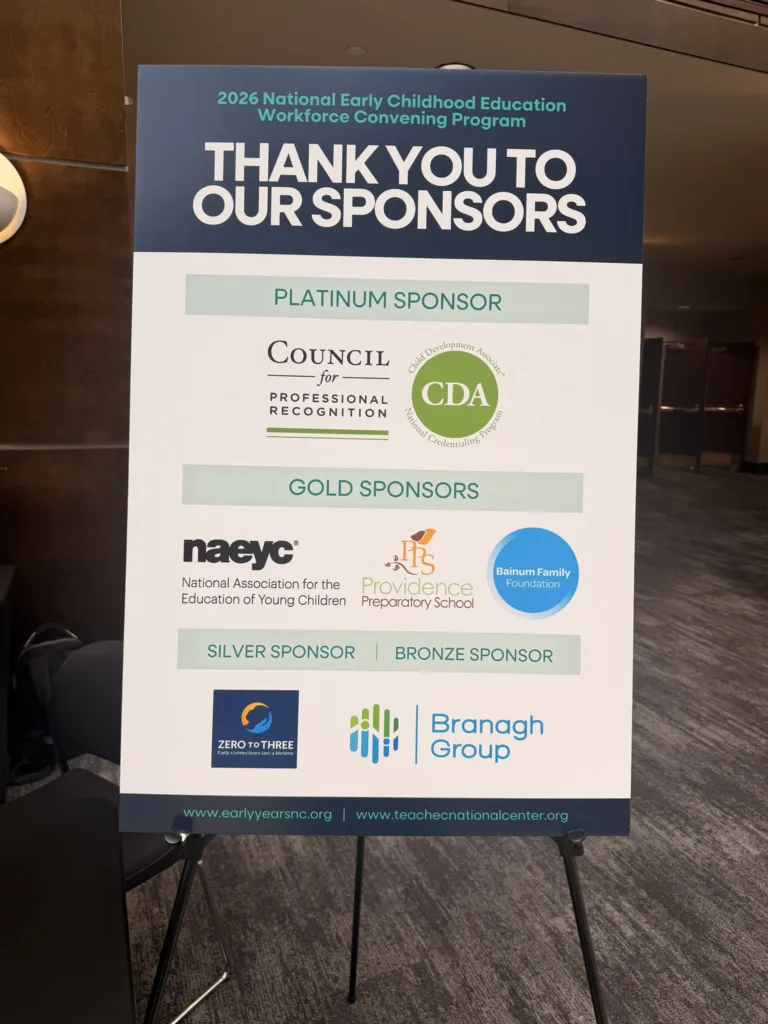


Thank You to Our Sponsors!