
Blog
Blog
Re-Accessing Joy Through Dramatic Play: How Very Young Children Use Play to Heal After Trauma

By Asata Virgo, Anchor Birth-to-Three Specialist
“People tend to think of happiness as a stationary place, but happiness is also a forward motion and teachers can help young children find it.”
-Alice Walker
Dramatic play, or “pretend play,” is more than just a fun pastime; it’s a fundamental aspect of emotional resilience, offering children a pathway to re-access joy, restore their sense of safety, and explore complex feelings within a safe and controlled space. For babies and toddlers, the joy of learning and discovery is sparked through caring relationships with their caregivers and teachers.
Traumatic experiences can profoundly affect children, even in their earliest years. For very young children, trauma disrupts a sense of safety, altering the way they see and feel about the world around them. Dramatic play is one therapeutic and developmentally appropriate way through which they can begin to heal and process these overwhelming emotions. Teachers who nurture joy and curiosity in young children through dramatic play create a forward momentum toward happiness.
The Role of Dramatic Play in Emotional Processing for Very Young Children
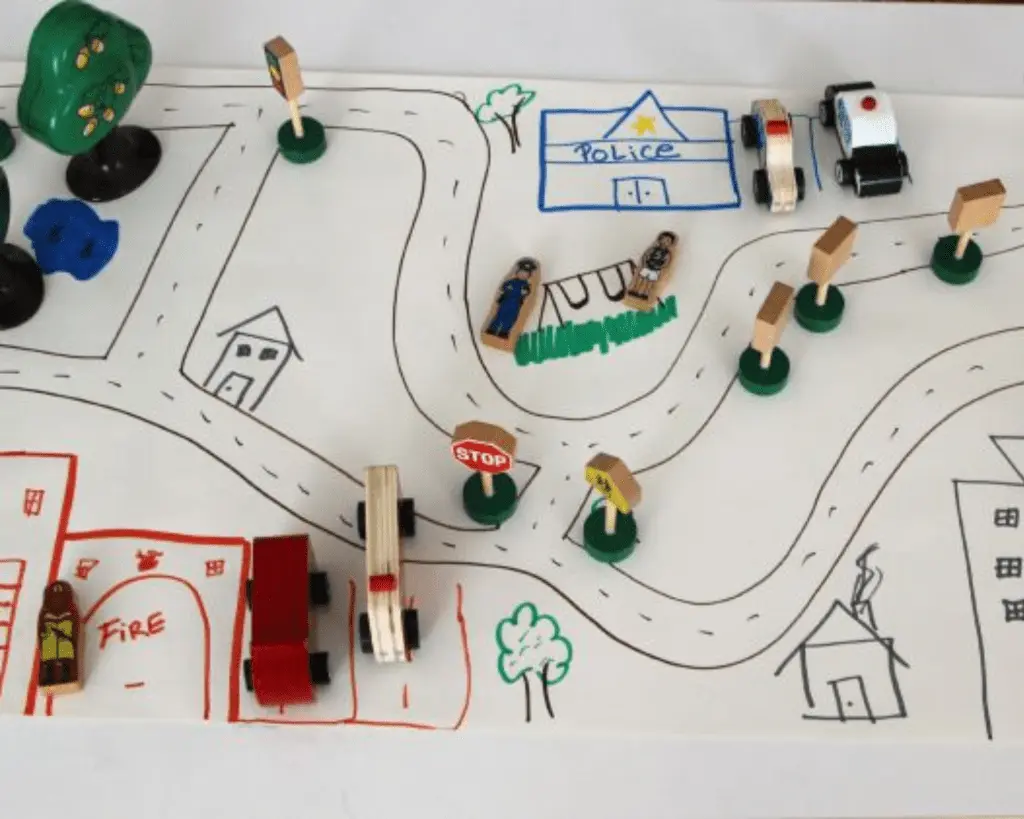
Very young children are still learning how to articulate their feelings and understand complex emotions. Unlike adults, they don’t have the language or cognitive maturity to express grief, fear, or sadness in a straightforward way. Dramatic play allows them to use symbolic representation, creating a narrative around what they feel or fear but may not fully understand.
In dramatic play, a child might play the role of a caregiver, an injured animal, a superhero, or a doctor. Each scenario gives them a sense of agency over situations they might otherwise feel powerless against. For instance, a child who has experienced a natural disaster might “rebuild” a home in a dollhouse, while a child who has witnessed aggression may work through that by comforting or protecting a stuffed animal or doll. Through these reenactments, children are not only processing but also gaining control, allowing them to rewrite their own stories in a way that gives them mastery and understanding over their experiences.
The Teacher-Child Relationship
In the context of early childhood education, the teacher-child relationship is a vital component of effective dramatic play. For very young children who have experienced trauma, a trusted adult can act as an emotional anchor during play, creating an environment where the child feels safe enough to explore difficult feelings. If a child began to act out a scene with play materials, teachers could ask about and clarify feeling words like “angry,” “scared” or “excited” and help give language to the characters in a child’s story “Mom/Dad,” “doctor/nurse” or “helper”. Validating the child’s emotions and identifying the adults supporting the child can bring comfort. By actively participating in or observing the child’s play, teachers can gain insight into what the child may be working through and offer comforting narratives that align with these themes, validating the child’s emotions while subtly introducing themes of safety, hope, and resilience.
The Joyful Nature of Dramatic Play

Trauma often dims a child’s sense of joy, impacting their ability to engage freely and creatively with the world. Dramatic play offers a restorative bridge to re-accessing that joy. When children are engaged in play, they are immersed in their imagination, allowing them to experience delight, wonder, and even laughter—all feelings that trauma can temporarily overshadow. By encouraging joyful play in safe and structured environments, caregivers and educators help children reconnect with feelings of happiness, rediscovering their sense of curiosity and creativity. This is especially important because experiencing joy is a powerful reminder for the child that they can still find happiness and fulfillment, even after difficult events.
The Lasting Impact of Dramatic Play for Trauma Recovery
Dramatic play can be a transformative tool for emotional processing and resilience. In helping children re-access joy after trauma, dramatic play offers an invaluable approach, blending healing, imagination, and connection—an approach that taps into the boundless potential of a child’s heart and mind. When teachers actively support children’s play and provide safe, supportive environments, they offer young children an opportunity to reconnect with joy and reshape their view of the world. Through this play, children discover their own courage and hope, gaining the strength to move forward, learn, and grow.
Resources: