
Blog

By the Birth-to-Three Management Team
The Birth-to-Three Quality Initiative (B-3QI) is celebrating its 20th year of providing hands-on, meaningful support to early care and education professionals across North Carolina! We are so grateful for NC’s birth-to-three professionals, and we look forward to more years of partnership in providing the most nurturing and secure relationships and environments for our youngest. Read on to learn about B-3QI’s history, and who we have become.
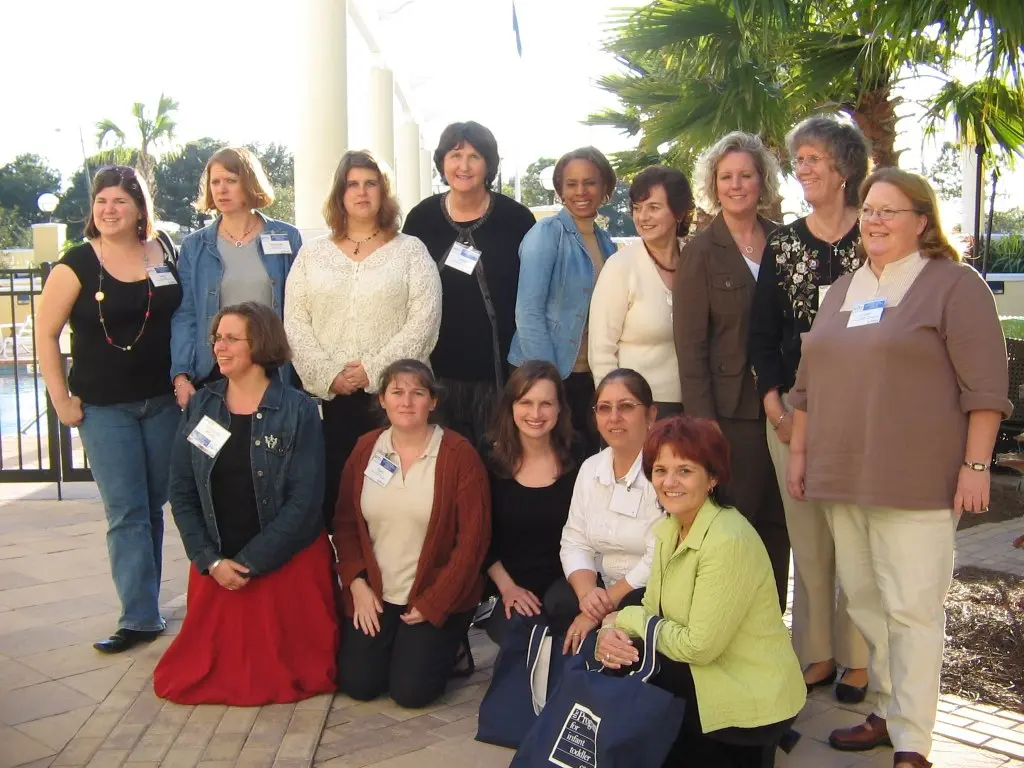
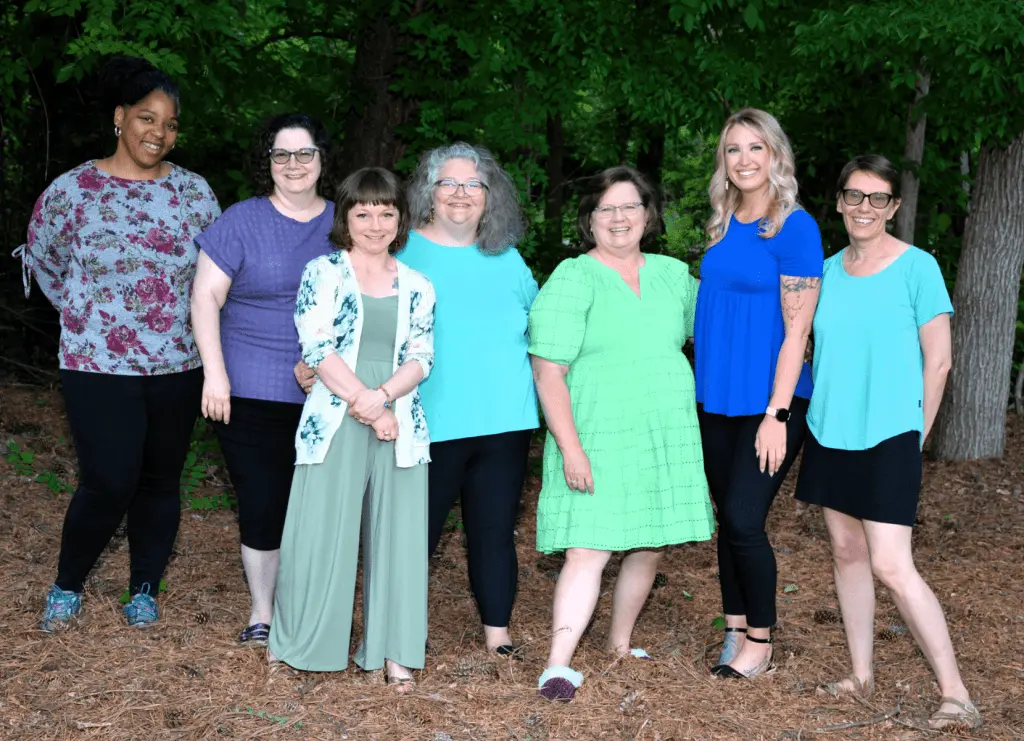
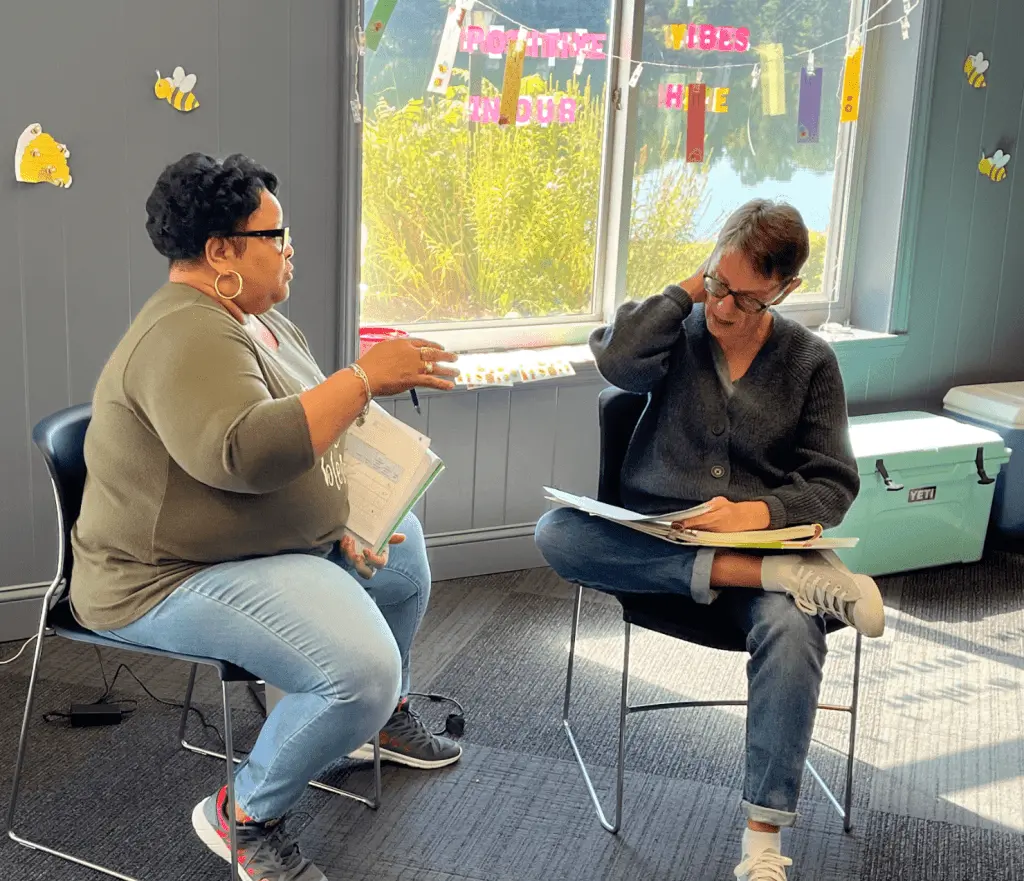
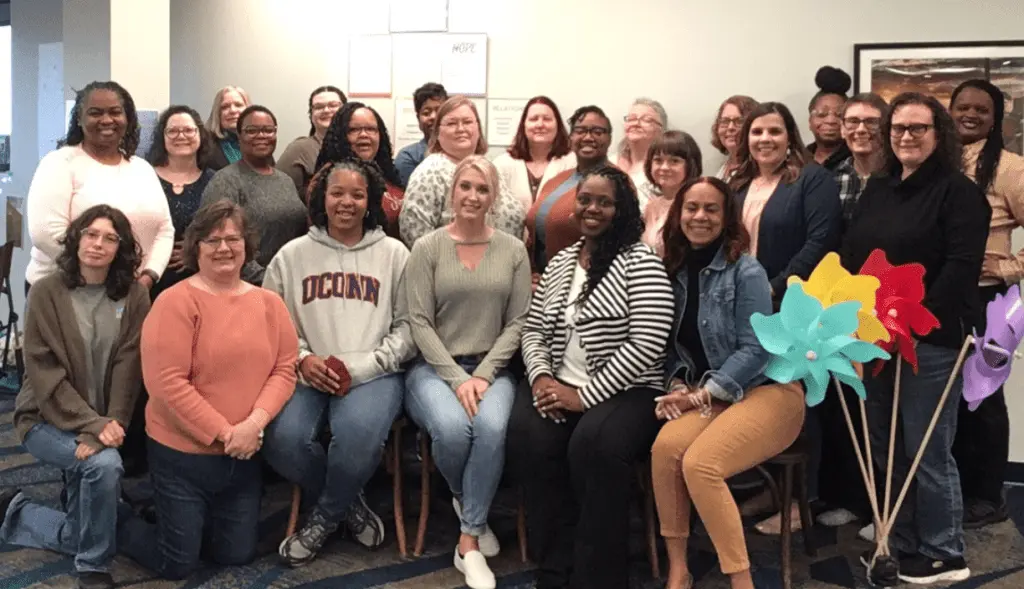
All of the pictures used are of our fantastic team throughout the years; the picture placements do not correlate with the subject topics below!
History
In 2004, the NC Infant-Toddler Quality Enhancement Project (ITQEP) was established to enhance the quality of infant and toddler care for families across North Carolina. NC ITQEP utilized multiple research and evidence-based tools such as the Infant Toddler Environment Rating Scale-R (ITERS-R)®, the Pyramid Model for Social Emotional Development, the Program for Infant Toddler Care (PITC©), and later the Classroom Assessment Scoring System (CLASS)® to guide and support classroom quality. The Infant Toddler Specialist team provided intensive coaching, mentoring, and professional development to early care and education teachers through the CCR&R regional statewide network.
Since 2014, the ITQEP has supported infant-toddler teachers and administrators in developing and implementing professional development plans with the use of a professional development plan template and targeted questions. The statewide team provided professional development learning opportunities that covered a multitude of topics relevant to infant-toddler care, including safe sleep (ITS-SIDS). All professional learning events include current, research-based information and all Continuing Education Units meet the International Association for Continuing Education and Training (IACET) standards. All training courses align with NC Foundations for Early Learning and Development (NC FELD) and PITC© principles.
After participating in NC’s Practice-Based Coaching (PBC) Leadership Academy, the ITQEP formed a PBC pilot group with a subset of specialist coaches to undergo more extensive training in the PBC framework. This pilot group created PBC procedures for the project. Today, we continue to offer monthly open virtual spaces for PBC coach support.
Who We Are Now
In 2022, we changed our name to reflect the shifts in our work! We became the NC Birth-to-Three Quality Initiative (B-3QI), a special project focused on offering specific training and tailored PBC to the birth-to-three workforce. The current project team has 21 birth-to-three specialist coaches (B-3S) housed within lead CCR&R agencies across the state. Each B-3S has at least a Level 11 NC EEC (or is actively working toward it) with TA Endorsement. Members of the B-3S team also have at least two years of infant and/or toddler classroom experience. Many have higher degrees (e.g., Post-Baccalaureate Certificate in Leadership in Infant and Toddler Learning) and additional years of experience.
The team includes individuals with certification in WestEd’s Program for Infant Toddler Care (PITC)©, Circle of Security Parenting (COSP)™ Facilitation, and Infant and Toddler CLASS® Observation. Team members have been trained on Conscious Discipline®, motivational interviewing techniques, the Abecedarian Approach, the Program Administration Scale (PAS)™ Ages & Stages Questionnaires-Third Edition (ASQ-3)™, Social Emotional: Second Edition (ASQ:SE-2)™ and the use of coaching with ZERO TO THREE© Critical Competencies for Infant and Toddler Educators™.
COVID-19 Developments
As a team, the B-3QI has collaborated with Duke’s Infant Toddler Trauma-Informed (ITTI) Care Project to integrate and advance innovative, responsive, relationship-based, and resilience-focused practices across the state. During the pandemic, B-3QI assessed regional birth-to-three workforce needs and seized opportunities for team members to receive training and professional development to address those needs. The McCormick Center’s Directors’ Toolbox, Circle of Security International Classroom Approach, Conscious Discipline, the Abecedarian Approach, and team-led book studies on Trauma-Informed Practices for Early Childhood Educators, Culturally Responsive Self-Care Practices for Early Childhood Educators and Overcoming Teacher Burnout in Early Childhood: Strategies for Change allowed the team to delve deeper into the ways their personal backgrounds, values, and belief systems affect their personal and professional relationships. ITTI Care representatives walked the NC B-3QI team through a virtual eight-week session filled with self-reflection, strategies for stress reduction and addressing the effects of trauma, and workday wellness plans. One cohort at a time, NC B-3QI Specialists have taken part in ITTI Care for the past five years, pairing with an ITTI coach to unpack the heavy emotional component of supporting a workforce in crisis. NC B-3QI management and ITTI meet monthly to discuss specialists’ experiences and growth from a trauma-informed coaching and training perspective. Together, they plan an approach to provide each specialist with the highest quality tailored support possible.
Support for Trauma-Informed Approaches

The NC B-3QI team created a variety of tools to incorporate trauma-informed practices into their coaching, including a Specialist’s Guide to Building Connections and a Professional Growth & Development Plan, which encourages the workforce to reflect on their own development and motivations for skill-building and incorporates self-care practices. The team has compiled a comprehensive library of handouts and exercises to address chronic stress and boost strategies for well-being. Values sorts and the Devereux Adult Resilience Survey help providers to understand their own values and strengths. Guest speakers regularly meet with the NC B-3QI team to infuse play for a sense of togetherness and wellness, and to highlight each team member as unique and as an integral part of the whole.
In a cohort-based learning format, members of the management team created Love Them Through It, an ongoing learning network for providers to become aware of the effects of trauma and respond to children’s needs. For the initial session, over 400 providers across the state applied to take part in this community. For administrators, NC B-3QI offers Leading the Way, which focuses on challenges specific to child care management. Directors are able to lean on each other for a sense of belonging, problem-solving, and simply to be held and heard.
NC Infant Mental Health Association Endorsement
NC B-3QI management completed a year-long Reflective Supervision Learning Collaborative offered by the North Carolina Infant and Early Childhood Mental Health Association (NCIMHA). As a result, the management team designed and implemented a system of Reflective Supervision for Specialists as individuals and in small groups. Currently, the entire NC B-3QI team is working toward Endorsement for Culturally Sensitive Relationship-Focused Practice Promoting Infant and Early Childhood Mental Health® by the NCIMHA to signal the robust nature of their education and training on infant, toddler, and caregiver mental health. NC B-3QI continues to make efforts in service of the team’s transformation and demonstrated commitment to cultural responsiveness, opening healing pathways for providers, families, and their children.
Support for New Teachers and Administrators
The New Infant Toddler Teacher Orientation (NITTO) course is a comprehensive online resource for those teachers and administrators new to infant and toddler care and education developed by the original NC ITQEP team. After piloting with experienced early educators, the course was made available for self-enrollment through DCDEE’s Moodle site. NC B-3QI continues to support participant progress and to collect and analyze evaluation data for continuous improvement. Additionally, the infant and toddler administrator learning communities entitled Leading the Way (LTW) and Leadership in Action (LIA) were created and piloted during fiscal year 2021-2022 based on the McCormick Center for Early Childhood Leadership curriculum with positive feedback.
Cohort-Based Learning Communities
Our cohort-based learning communities (CBLC) are a collaborative approach to professional development in which early childhood educators learn and share in a small group setting. We design virtual communities in which participants engage in discussions and activities centered on a variety of topics related to children ages birth to three while networking and growing together. We began CBLC development in fiscal year 2023-2024 to offer interactive and useful learning opportunities for directors, family child care home providers, support staff, and classroom teachers.
Throughout these experiences, participants receive FREE DCDEE contact hours via training in collaborative groups where participants engage in reflection and develop professional growth and development goals for their own early childhood education environments and classrooms. CBLC duration ranges from three to nine months with the opportunity to earn from 14 to 28 contact hours
The Birth-to-Three Quality Initiative is committed to supporting the workforce for many years to come. Feel free to contact us for more information or to request contact with your local B-3S by emailing b3qi@childcareservices.org.