
Blog
Blog
Is Circle Time with Infants, Toddlers and Twos Developmentally Appropriate?
By Amanda Hazen, Anchor Birth-to-Three Specialist
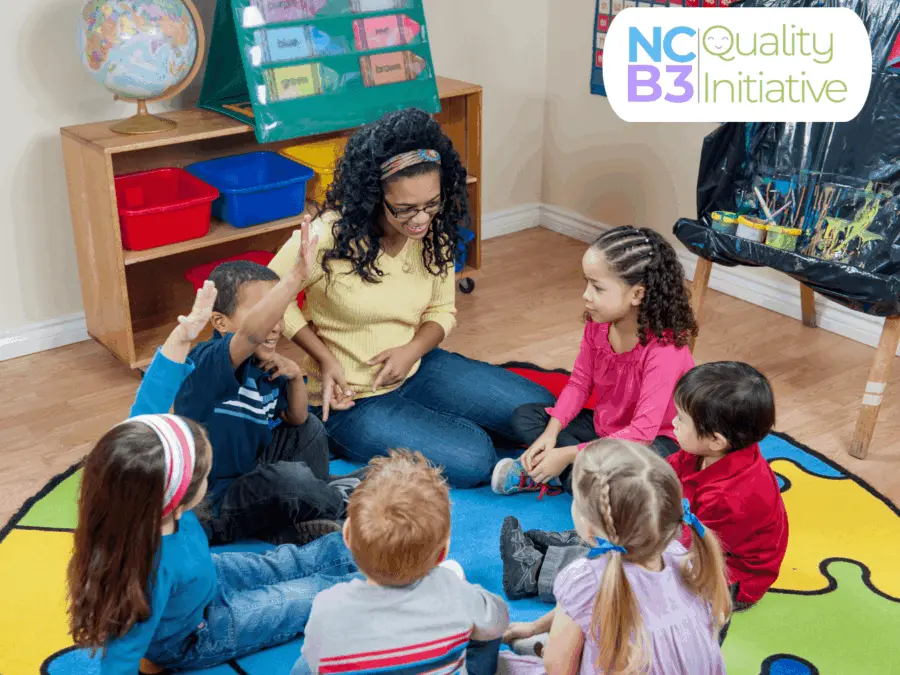
Many teachers of very young children think of circle time as the part of the day where children learn most and become prepared for school. Many teachers think of circle time as mandatory, and some family members even think of it as a necessary activity in child care settings. Let’s look at the research and think through some questions you can ask yourself about your own circle times.
According to the authors of the Environment Rating Scales, “Getting children ready to learn from group activities requires the development of many prerequisite or preparatory skills before they can actually learn in groups and not just sit and behave as if they are learning” (Cryer, 2022, p. 544). It is important to remember that children learn through play. Circle time activities are usually taught in a rote memory format, where children simply repeat back what the teacher says or name something the teacher points to. Young children need to be able to manipulate materials and are active learners; most of circle time is a passive activity. Requiring young children to participate in circle times can lead to disengagement, reduced motivation to learn and challenging behaviors.
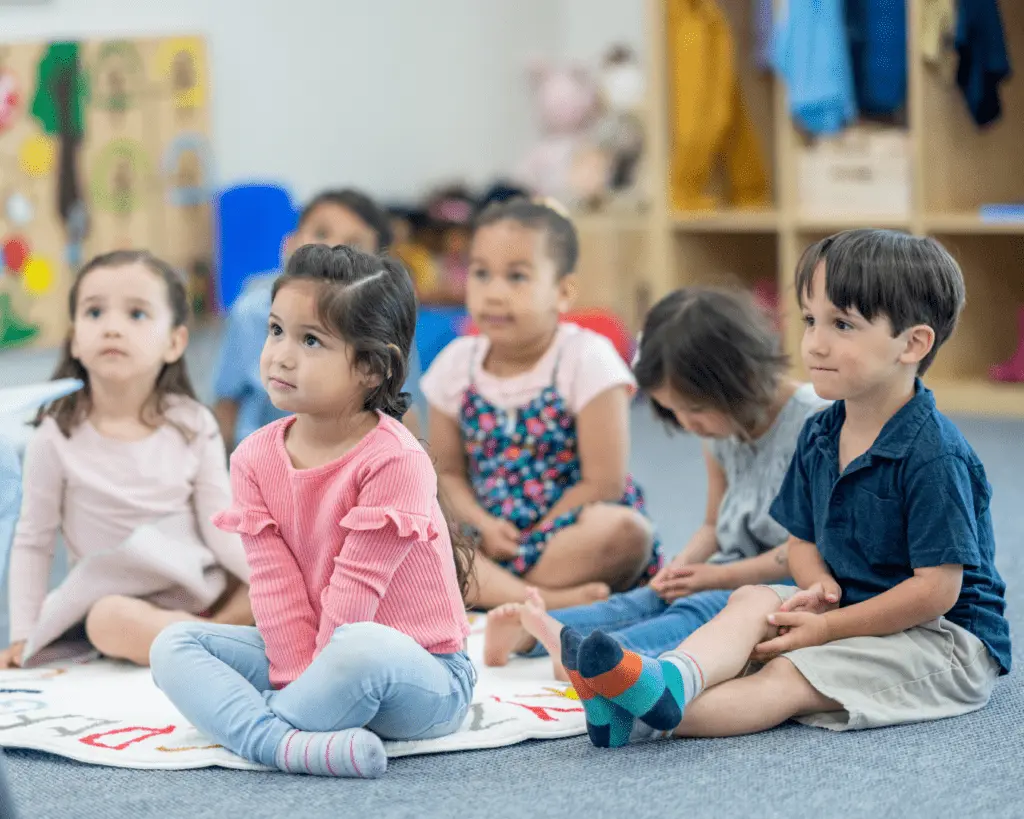
Some questions to ask yourself if you are currently doing a circle time with infants, toddlers or twos include:
- Is this a passive or active activity?
- Am I able to provide each child with individual attention?
- Am I limiting the children’s social interactions?
- Am I limiting the children’s free play time?
- Are the children interested?
- Are children required to sit and stay in circle time?
- Are there behavior problems during circle time?
- Are circle time “topics” appropriate for the children’s developmental level?
Chances are, the one answer to most of the above questions is a resounding “No.” The takeaway from this blog is to remember that children learn best through activities that are individualized to their interests and needs, hands-on, flexible and self-directed. Circle times usually do not meet this criteria and cause children to sit passively. We know you care about the development of your children, and encourage you to extend, lean into and engage in young children’s free play, where they actively learn and strengthen their connections with you and their peers. If you do the type activities listed earlier the children in your care will still learn and will be prepared for future learning without a whole group circle time.
If you have concerns about the children in your care not reaching milestones here is a link to Developmental Milestones so you can see that these milestones are not “taught” during a circle time.
References:
Cryer, D., Riley,C., Link, T., & McCullough, V.( 2022). All about the ITERS-3. Gryphon House Publishing. https://www.jigsawearlyyearsconsultancy.com/rethinking-circle-time/.