Blog
By Robin Warfield, Birth-to-Three Coaching Manager
NC Birth-to-Three Quality Initiative (B-3QI) is committed to honoring diversity and has been exploring and unpacking the Diversity-Informed Tenets for Work with Infants, Children and Families one at a time to better understand what they mean to our project and its services. Developed by the Tenets Initiative, the tenets are a set of strategies for strengthening the commitment and capacity of individual professionals, organizations and systems that serve young children and their families to embed diversity, inclusion and equity principles into their support. The ten tenets are divided into four principles. Central Principle for Diversity-Informed Practice includes the first tenet, while tenets two through five fall underneath Stance Toward Infants, Children and Families for Diversity-Informed Practice. Tenets six through nine are a part of Principles for Diversity-Informed Resource Allocation, and the final tenet represents Advocacy Towards Diversity, Inclusion and Equity in Institutions. We invite you to think about how the tenets apply to your work! As we have explored tenets one through three in previous editions of the NC B-3QI Newsletter, we are ready to review the fourth tenet and how our project represents it.
Stance Toward Infants, Children, and Families for Diversity-Informed Practice Tenet #4. Recognize and Respect Non-Dominant Bodies of Knowledge:
Diversity-informed practice recognizes non-dominant ways of knowing, bodies of knowledge, sources of strength and routes to healing within all families and communities.
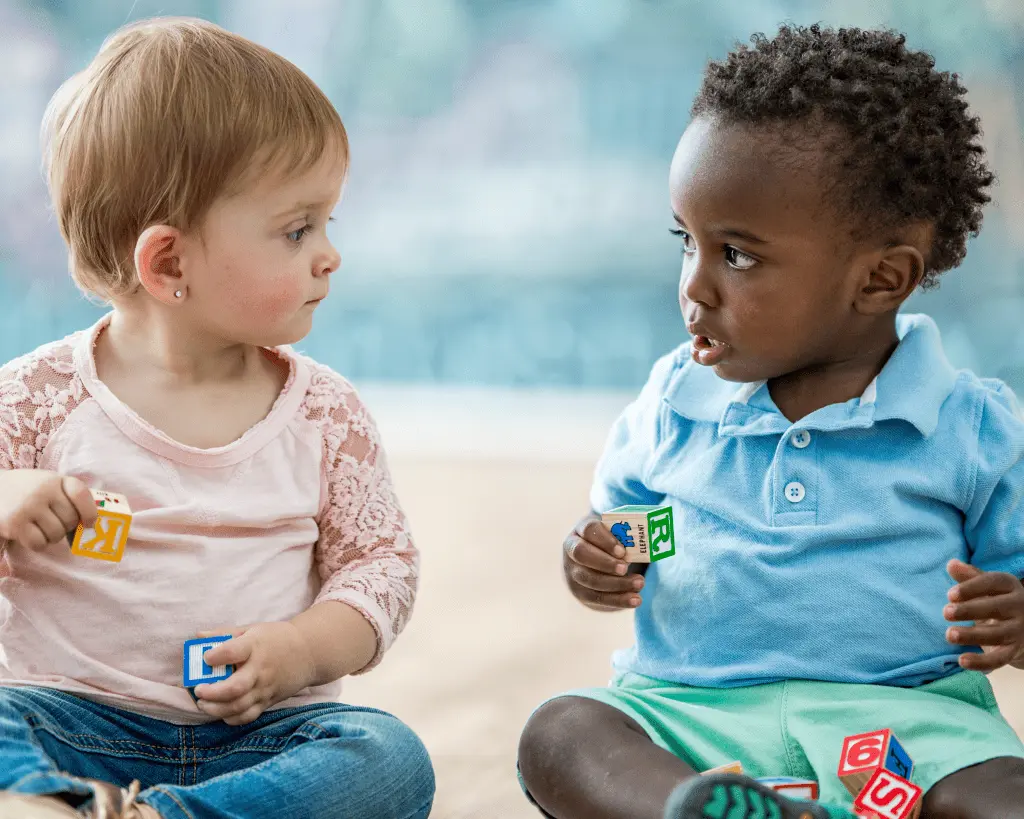
So what does this mean when placed into action? B-3QI understands that there are many ways of making meaning, connecting, growing and healing. Families and communities may share language, values, practices and ideals that are not widely represented in the media. When working with an individual, classroom or center, the birth-to-three coach takes on the role of learner. This means listening and observing, and asking questions when appropriate to ensure clear communication. Think for a moment about the families and children in your care. What connects them, and what makes them unique? How do each of them view children’s early years? How do they understand the roles of parent, caregiver, grandparent and extended family?
Families have their own stories and norms that guide their decision-making and behaviors, just as each center and classroom have a special dynamic that is its own. Just as caregivers have their own sources of strength that keep them going, our coaches do, too. They hope to learn how you see the world and what your lived experience has been so that their partnership is meaningful. We encourage you to take a few moments to identify your sources of support and from where you gain your knowledge. What does a path toward healing and wellness in your work look like for you?
Traumatic experiences add extra dimension to how families make decisions and live their lives. Hurricane Helene has severely impacted the lives of many families. In the wake of this disaster, we realize that the road to recovery for many will be long and hard. Each family affected will heal in their own time. We hope to be of service to teachers, administrators and children as they enter into new and unfamiliar spaces with traumatic experiences in tow. As a team dedicated to learning about and implementing trauma-informed approaches, we are prepared to be an anchoring force for centers during this readjustment period. Thank you for letting us be a part of your healing journey!