
Blog
Blog
Community Comes Together to Address North Carolina’s Child Care Crisis
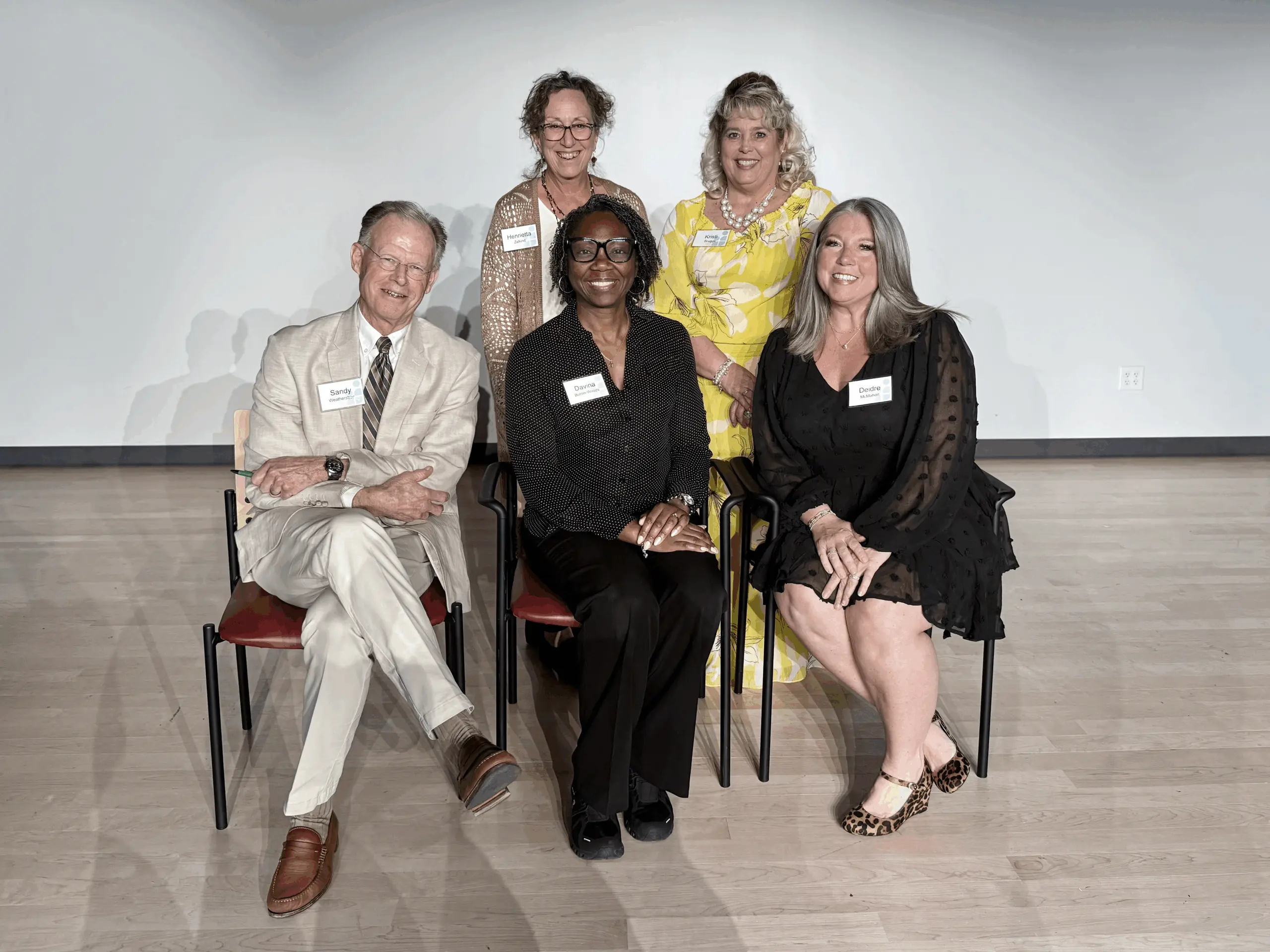
North Carolina’s community came together in Carrboro on March 26, 2025, to view the documentary, Take Care, and to participate in a discussion on how to create lasting solutions that support children’s healthy development, allow parents to work and keep businesses running.
Take Care examines North Carolina’s child care crisis through the voices and stories of our families, child care providers and teachers, and business and community leaders. It provides firsthand accounts of how child care impacts all of us, what is at stake if we do not fix it, how communities are trying to address the crisis and the need to work together to solve the crisis.
Why Child Care Matters
While North Carolina relies on quality child care, these programs are in crisis—one that has been decades in the making and was exacerbated by the pandemic. Teachers cannot afford to stay in the profession. They earn an average of $14 per hour—not enough to meet basic needs for housing, food, health care and other necessities. They are leaving for jobs at convenience stores and gas stations that pay more. As a result, child care programs are either closing or are under-enrolled because they cannot hire teachers.
The economic impact is staggering. According to the NC Chamber Foundation:
- 26% of parents with young children have left the workforce.
- 37% have turned down job opportunities, promotions, or new positions.
- 60% have missed work due to child care challenges.
- 32% have been unable to pursue job training or further education.
This workforce disruption costs North Carolina $1.36 billion in lost tax revenue and $4.48 billion in employer losses annually.
A Conversation for Change
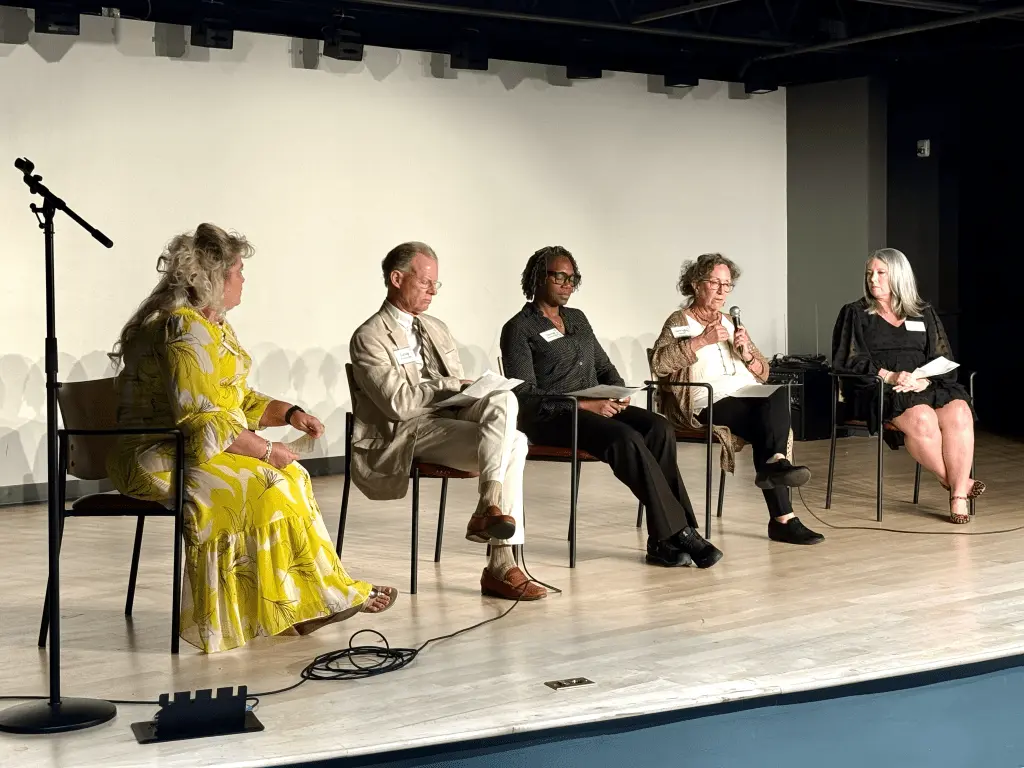
Following the screening, Early Years President Dr. Kristi Snuggs led a panel discussion with early care and education experts:
- Davina Boldin-Woods – Director of First Presbyterian Child Development Center and owner of Genesis Child Development Center and Bright Star Academy
- Sandy Weathersbee – Board member at Early Years and owner of Providence Preparatory School in Charlotte
- Henrietta Zalkind – Board member at Early Years and founding executive director of Down East Partnership for Children
- Deidre McMahon – Workforce initiatives senior manager at the TEACH Early Childhood® National Center
One of the key solutions highlighted during the discussion was the Early Years Statewide Early Childhood Educator Apprenticeship Program – a registered program that creates an accessible career pathway, which coordinates with TEACH Early Childhood Scholarship Program for aspiring early childhood educators.
“By combining paid on-the-job training, supplemental education and mentorship, apprenticeship helps build a sustainable workforce while offering educators a clear path to higher education, increased wages with recognized apprenticeship credentials—at no cost to them.” said McMahon.
Dr. Snuggs reinforced the program’s potential:
“The apprenticeship program has the power to transform the early care and education workforce—not only improving outcomes for children but also advancing equity in early childhood education. This is a testament to the power of apprenticeships in driving systems change.”
Be Part of the Solution
The conversation in Carrboro was just the beginning. Addressing North Carolina’s child care crisis requires collaboration among families, educators, businesses, and policymakers.
Want to stay informed and be part of the movement?
Click here to subscribe to the Early Years email list
Learn more about Take Care and how to host a conversation by visiting TakeCareNC.com.