Blog
Blog
Early Years Joins Leaders for CDA Workforce Convening
Early Years Joins Statewide Partners to Strengthen North Carolina’s CDA Workforce
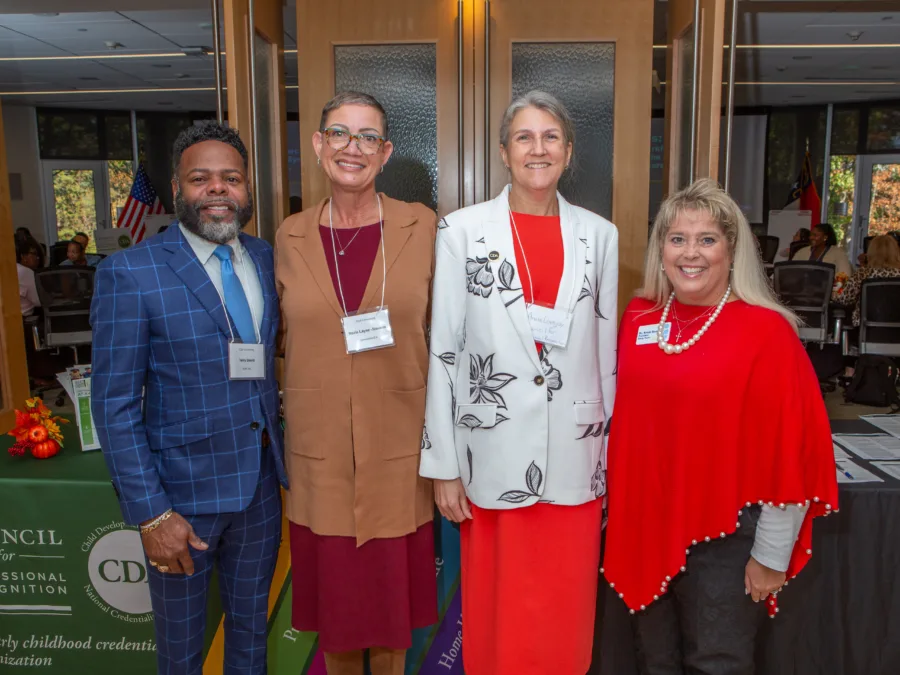
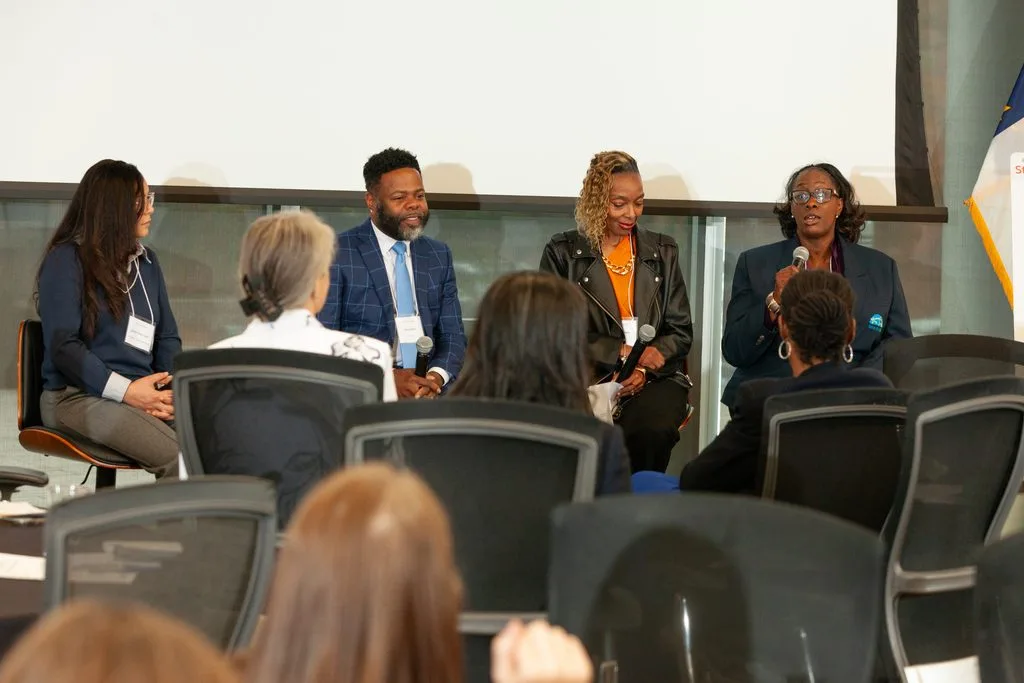
Early Years joined the North Carolina Head Start Association, GenerationEd, the Council for Professional Recognition, and other statewide partners for the Child Development Associate® (CDA) Workforce Convening. North Carolina was selected as one of a limited number of states to host the event, bringing together early childhood educators, employers, higher education representatives, and policymakers to explore opportunities to expand CDA participation and strengthen the early childhood workforce.


The nationally recognized CDA credential combines professional education with hands-on experience, helping early childhood educators build the knowledge and skills needed to support young children’s development. Beyond credential attainment, the CDA provides a foundation for continued education, additional credentials, and career advancement, with recognition that educators can carry across state lines.
Investing in Educators to Strengthen Outcomes for Children
Early Years President Kristi Snuggs opened the convening by emphasizing the importance of accessible professional development and career advancement opportunities for early childhood educators. She highlighted how credentialing opportunities, combined with workforce support programs such as Early Years’ TEACH Early Childhood® North Carolina and Child Care WAGE$®, help educators overcome barriers to professional growth while strengthening the quality and stability of the early childhood workforce.
“We cannot expect great outcomes for children without investing in the professionals who care for and educate them. Education and continuing education are not simply credentials or boxes to check. They represent an investment in knowledge, professional confidence, classroom quality, and the ability to meet the increasingly complex needs of young children.”
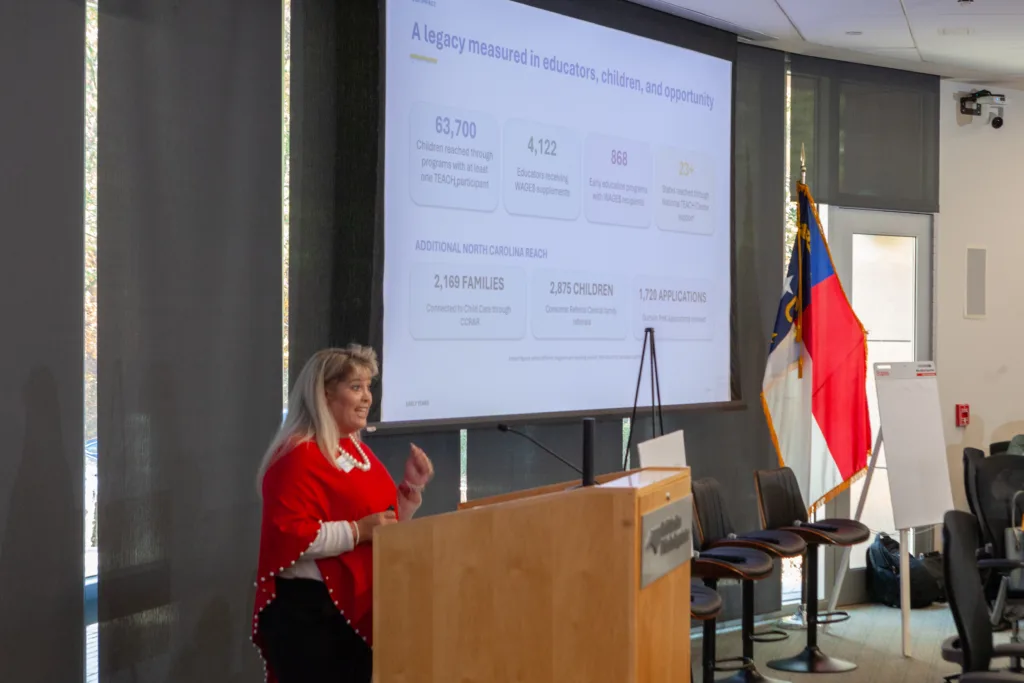
Snuggs further emphasized that supporting educators requires a commitment that extends beyond initial credential attainment.
“We are supporting better outcomes for children, creating greater stability in classrooms, and building a workforce that feels valued, supported, and motivated to remain in this profession. And that is what today is about: creating pathways, removing barriers, building partnerships, and making sure that an early childhood educator’s opportunity to grow does not end with their first credential. At Early Years, we believe that when we invest in early childhood professionals, we invest in children, families, and the future of our communities.”
Building Career Pathways Through Workforce Development
Addressing workforce challenges requires more than access to credentials. It also means creating opportunities for educators to gain practical experience, receive financial support, and build sustainable careers.
Maria Layne-Stevens, chief executive officer of GenerationEd, discussed how structured training, paid work experience, and professional development can help address barriers facing early childhood educators.
“Early education is the absolute bedrock of child development and economic stability for families. Yet, nationwide, our industry faces an unprecedented workforce crisis,” Layne-Stevens said.
She explained how GenerationEd’s apprenticeship framework combines structured, evidence-based training with paid, hands-on experience, allowing educators to continue earning an income while working toward professional credentials.
“Our framework explicitly merges structured, evidence-based workforce training with hands-on paid experience. Apprentices never have to choose between a survival paycheck or professional growth. This competency pathway is explicitly engineered around national child development associate milestones,” she continued.
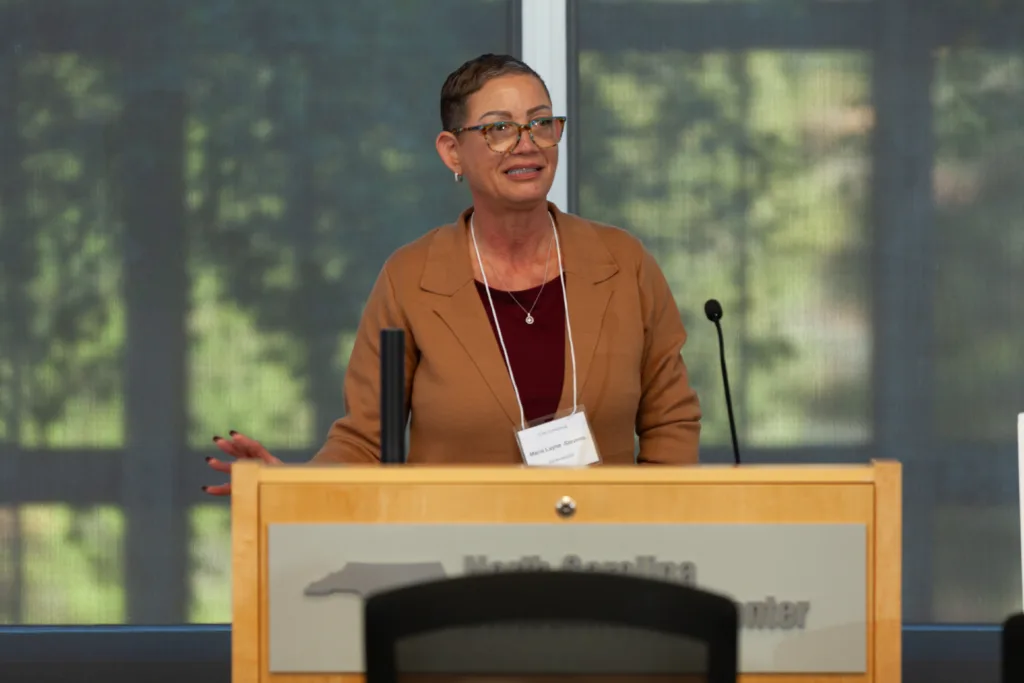
Layne-Stevens also highlighted the potential impact of apprenticeship opportunities on workforce retention, sharing that the program has reduced its baseline teacher turnover rate from more than 40% to 22%, with a goal of reaching 17% by the end of the year.
Her remarks reinforced the importance of workforce models that support educators throughout their professional journeys, creating benefits that extend beyond individual credential attainment to children, families, and early learning communities.
Strengthening Partnerships and Educational Opportunities
Dr. Sharon Little, TEACH Early Childhood® NC higher education liaison, and Dr. Mary Olvera, career and technical education program administrator at the NC Community College System, presented on the importance of higher education partnerships in strengthening professional development and credentialing pathways across North Carolina.
Little emphasized North Carolina’s leadership in early childhood education and the role of partnerships in advancing the workforce.
“North Carolina is a leader in early education,” Little said.
Amy Duffy, senior program manager for the TEACH Early Childhood® NC Scholarship Program, also shared insights on TEACH’s role in supporting the early childhood workforce and helping educators pursue professional advancement.


“TEACH has worked with the CDA in various ways. We have these overarching goals that are really helping individuals go through pathways, helping them advance the early care and education workforce, as well as building systems across the state that impact all children,” Duffy explained.
Together, these discussions highlighted the importance of continued collaboration, accessible professional development, and workforce support in creating opportunities for early childhood educators to grow in their careers.
Why Sustained Educator Support Matters
While partnerships and professional development programs help establish career pathways, continued support is essential to helping educators complete their credentials and pursue additional opportunities.
Dena Bowden, a GenerationEd CDA Apprenticeship Program participant and early childhood educator, shared her experience navigating the CDA process and emphasized the importance of accessible training, financial assistance, mentorship, and ongoing professional development.
She described how earning her CDA strengthened her understanding of child development, observation, individualized learning, and family engagement. Her experience illustrated how professional growth can shape not only an educator’s confidence and practice but also the quality of care and education children receive.
“When you support an educator through the CDA program process, you are investing in much more than one individual; you are investing in the children they teach, the families they serve, and the communities they help to strengthen,” Bowden shared.
Reflecting on her continued professional journey, she offered a reminder that earning a credential can be the beginning of new opportunities rather than the end goal.
“CDA was not my finish line; it was my starting point.”
A Shared Commitment to the Early Childhood Workforce
Terry David, president of the North Carolina Head Start Association, reinforced the importance of recognizing early childhood educators as professionals and ensuring they have the support and opportunities needed to grow in their careers.
“The CDA credential represents more than just an accomplishment. It represents dedication, professional growth, and a commitment to providing high-quality early childhood education,” David said.
He closed with a call for continued collaboration among state leaders and workforce partners to advance opportunities for educators.
“To our state leaders, the Council for Professional Recognition, and all our partners, may we continue creating opportunities, removing barriers, and ensuring that early childhood educators receive the support, recognition, and respect they deserve. Because when we elevate early childhood educators, we elevate the future of early childhood education.”
Looking Ahead: Opportunities to Strengthen North Carolina’s Workforce
Discussions throughout the convening highlighted several opportunities to expand CDA participation and strengthen North Carolina’s early childhood workforce:
- Expanding community college partnerships: Creating accessible pathways for educators to transition from CDA credential attainment into degree programs and additional educational opportunities.
- Increasing statewide collaboration: Hosting additional convenings to share resources, exchange promising practices, and strengthen connections among workforce partners.
- Expanding apprenticeship opportunities: Increasing funding for pre-apprenticeship and apprenticeship programs that combine professional coursework with paid, hands-on experience.
- Recognizing prior learning and experience: Advancing opportunities for educators to receive recognition for their professional experience and apply their skills toward continued educational advancement.
- Sustaining educator support: Expanding access to financial assistance, mentorship, and professional development to support credential completion, retention, and long-term career growth.
The conversations reinforced a shared understanding that strengthening North Carolina’s early childhood workforce requires accessible credentialing, meaningful partnerships, and sustained investment in the professionals who support young children every day.


Early Years remains committed to working alongside statewide partners to advance these efforts, expand opportunities for early childhood educators, and strengthen the workforce that supports children and families across North Carolina.